
At the United Nations, President Trump said he could “annihilate” Iran, framing it as a path to peace.
Story Snapshot
- Trump told world leaders he faced a choice: strike a deal with Iran or “annihilate” the Islamic Republic.
- Major outlets confirmed the “annihilate” line and its setting at the United Nations General Assembly.
- Trump later linked annihilation to global peace and said renewed bombing was possible.
- Supporters call the rhetoric leverage; critics warn it normalizes extreme war threats.
What Trump Said And Where He Said It
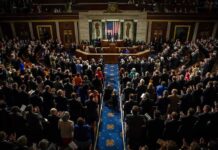
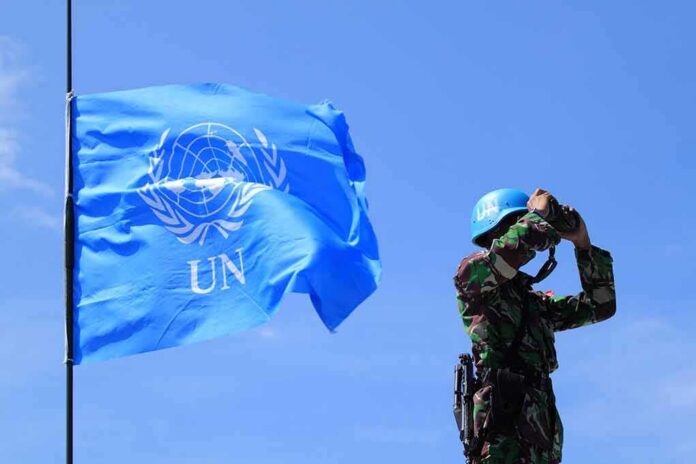
On September 22, 2026, President Trump addressed the United Nations General Assembly in New York. He told delegates he had a “big decision” to make: reach a deal with Iran, or “annihilate the Islamic Republic” swiftly to stop future attacks. Multiple outlets reported the same quote, confirming the public wording and the venue. The United Nations setting matters because it is built for diplomacy and peace talks, not threats to erase a rival state from the map.
The British Broadcasting Corporation captured the same core phrasing, noting Trump said he could drive Iran “into hell.” That match across outlets reduces any claim that the line was a misquote or taken out of context. The New York Times described the moment as a sharp break from typical United Nations language. The core facts stand on the record: the “annihilate” option was presented by the sitting president on the world’s biggest diplomatic stage.
How The White House Linked Threats To “Peace”
In a later interview, Trump defended the language by tying annihilation to peace. He said that “by annihilating Iran,” the United States had created peace. He also said he did not think peace with Iran was otherwise possible. That framing shows the threat was not a one-time slip. It was a stated view of how to end conflict. Reporters also noted he left the door open to more bombing after the midterms, saying it was possible.
Trump and allies argue the goal is to stop Iran from getting a nuclear weapon. Supporters see the maximal threat as leverage that can push Tehran to cut a deal. Critics hear an open-ended license for mass violence that blurs the line between the regime, its forces, and civilians. Reuters reported that many in Washington and abroad read the talk as a negotiation tactic, not a set plan to wipe out a nation, though the language itself is unusually extreme.
Why This Hits A Nerve Across The Aisle
Americans on the right and left share a fear that leaders talk tough while failing to deliver safety or honesty. Hearing “annihilate” at the United Nations feeds that concern. Some conservatives see necessary resolve after years of weakness. Some liberals see reckless bravado that risks a wider war. Both camps worry that elites speak in absolutes while the middle class pays the price in higher energy costs, market shocks, and the risk of another long conflict far from home.
The record so far is mostly rhetoric, not documents. Reporters have transcripts and quotes, but not internal orders or plans that show intent to destroy a people. That gap matters for claims about unlawful aims. Still, repetition of the word “annihilate” raises the stakes. Words from a commander in chief are not idle. They guide signals to allies, markets, and the military. They can also move a crisis closer to a point where missteps become deadly.
What We Know, What We Do Not, And What To Watch
The clearest facts are public: Trump offered a binary choice between a deal and annihilation at the United Nations, and then tied that choice to “peace” in follow-up comments. Those quotes are consistent across major outlets. We do not have White House drafts, National Security Council memos, or Defense Department directives that show how that talk mapped to real targeting or rules of engagement. That lack of internal proof limits firm legal conclusions today.
Watch three things next. First, whether the administration releases a full, verbatim transcript and video that show the exact sequence of the remarks. Second, whether Congress seeks briefings on targeting policies and civilian risk. Third, whether the White House shifts the language from “annihilate” to narrower goals, like disabling military sites. Clear aims, plain guardrails, and public oversight are how a free country avoids drifting from defense to devastation.
Sources:
twitchy.com, latimes.com, iranintl.com, aljazeera.com
© patriotwise.com 2026. All rights reserved.