

A federal judge pushed James Comey’s trial into early 2027, turning a charged First Amendment fight into a long wait with high stakes for speech and safety.
Story Highlights
- A grand jury indicted Comey over an Instagram post with “8647,” which prosecutors say threatened President Trump.
- Judge Louise Flanagan delayed the trial to early 2027 to allow time for motions and preparation.
- Comey seeks dismissal, arguing the post was political speech, not a “true threat”.
- The Justice Department charged crimes under federal threat statutes, centering the case on intent and context.
What the Indictment Says and Why It Matters
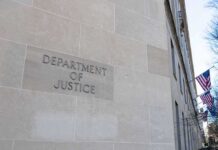
The Justice Department announced a two-count indictment in April 2026. Prosecutors say Comey “knowingly and willfully” threatened to kill or harm President Trump and sent that threat across state lines. The case centers on a social media post that showed seashells spelling “8647,” with a caption about a beach walk. The government charged violations of federal threat laws, which turn on whether speech was a true threat and whether Comey understood its meaning.
NPR reported that the indictment quotes language about a threat “to take the life of, and to inflict bodily harm upon, the President of the United States,” and ties that to the “8647” post. The grand jury in the Eastern District of North Carolina approved the charges, which gives prosecutors probable cause to proceed. That step does not prove guilt, but it places the facts before a court for testing against First Amendment limits.
Why the Trial Was Delayed to 2027
Judge Louise Flanagan granted a continuance pushing the trial into early 2027. Her order cited the gravity of the charges, pending motions, and the need to give defense counsel time to prepare. News reports say Comey’s team also asked for more time to review discovery, line up possible witnesses, and brief constitutional issues, including the “true threat” standard and selective prosecution claims.
Delays shift attention from the facts to process. That can frustrate readers across the spectrum who want clear answers now. But major First Amendment cases often take time. Courts need full briefing on speech protections and intent standards. The Supreme Court has said the government must prove the speaker had some awareness of a statement’s threatening nature, which raises the bar in social media cases.
The Core Legal Fight: True Threat or Political Speech
Comey moved to dismiss, saying no reasonable person would see “86 47” as violence. His lawyers argue the post was political hyperbole, not a serious plan to harm the President. They also claim the case is retaliatory, pointing to the political clash between Trump and Comey. The government replies that the post, context, and reaction support a charge under threat statutes. The court will test those claims under the true-threat doctrine.
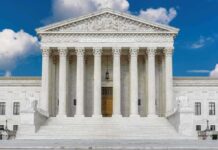
The Supreme Court’s recent case Counterman v. Colorado held that prosecutors must show the speaker had at least a reckless awareness of a statement’s threatening character. That is a high standard. It is meant to protect sharp political speech while allowing punishment of real threats. The line is thin online, where coded messages and slang spread fast and can look menacing to some and satirical to others.
Evidence, Ambiguity, and Public Trust
Reports say Comey deleted the post and said he opposed violence, noting he learned some people link the numbers to violence. That helps the defense argue lack of intent. Prosecutors counter that a “reasonable person” could read the numbers as a death threat to “47,” meaning President Trump as the forty-seventh President. The public record so far shows the image and caption, but not travel, weapons, or planning. That leaves intent as the crux.
Citizens on the right and left worry that elites play by different rules. Some see selective enforcement. Others fear government is criminalizing speech. This case sits at that crossroads. If the court narrows true-threat law, more heated speech could be safe. If it upholds the charges, online posts that mix symbols and politics could face more risk. Either way, a slow process and thin public details strain trust in even-handed justice.
Sources:
nbcnews.com, rawstory.com, npr.org, justice.gov, thecentersquare.com, cnbc.com, carolinajournal.com, crbcnews.com
© patriotwise.com 2026. All rights reserved.