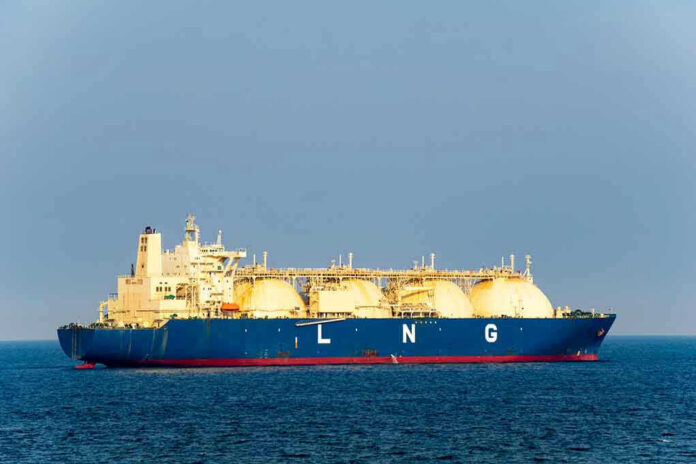
A U.S. liquefied natural gas exporter is courting Qatar for long-term sales while mapping gas-fired power for massive computing, tying two big energy plays to the same Louisiana sites.
Story Highlights
- QatarEnergy is in advanced talks to buy at least 3 million tons per year of U.S. liquefied natural gas from Venture Global, according to Reuters sources.
- QatarEnergy already bought 33 U.S. spot cargoes this year to cover disrupted supply after the Strait of Hormuz shutdown linked to the Iran war.
- Venture Global struck a separate 20-year liquefied natural gas deal with ConocoPhillips, showing depth in long-term contracting.
- Venture Global outlined behind-the-meter gas power at its Louisiana liquefied natural gas sites to support up to 10 gigawatts of compute by 2034, without named tenants yet.
What Reuters Reporting Says About The QatarEnergy Talks
Reuters reported that QatarEnergy was in advanced negotiations to buy at least 3 million metric tons of liquefied natural gas each year from Venture Global under a long-term deal, citing three people familiar with the talks. The report did not state a start date, plant source, or pricing terms. Both companies did not comment in the coverage. The same outlet said the figure came from unnamed sources, which establishes the status of talks but not a signed contract.
Reuters also reported that QatarEnergy had purchased 33 U.S. spot cargoes this year, including some from Venture Global and some from its customers, to reduce supply gaps after Qatari exports through the Strait of Hormuz were halted by the Iran war. Those cargoes were aimed at keeping deliveries to buyers in Asia on schedule. This context helps explain why a long-term deal with a U.S. seller would be commercially plausible during ongoing disruption.
Why The Venture Global Strategy Draws Attention
Venture Global has moved on more than one front. The company and ConocoPhillips announced a 20-year agreement for 1 million tons per year of liquefied natural gas beginning in 2030, underscoring that Venture Global can secure major, durable commitments with top-tier counterparties. ConocoPhillips also holds a significant interest in a QatarEnergy liquefied natural gas project in Ras Laffan, linking key players across the Atlantic energy trade in complex but complementary ways.
On a separate track, Venture Global disclosed framework agreements with GE Vernova and Baker Hughes for up to 16 combined-cycle power islands rated at 720 megawatts each, plus supporting gear. The company said these plants would be built behind the meter at its Louisiana liquefied natural gas sites and not draw power or water from local utilities. Venture Global said this setup could support up to 10 gigawatts of computing capacity by the end of 2034, but it has not named tenants or signed compute customers in the reporting cited.
How The Two Tracks Fit Together — And What We Know
These two efforts sit at the same Louisiana liquefied natural gas hubs. One sells liquefied natural gas into global markets. The other would turn gas into power on-site to feed large data centers. The available reporting does not show the same gas is promised twice. It shows a company building flexible options: portfolio liquefied natural gas sales to buyers like QatarEnergy, and dedicated generation for compute loads that want firm, local power supply.
For citizens worried about energy costs and national strength, the stakes are real. U.S. liquefied natural gas exports bring revenue, jobs, and influence. Local power for data centers could also mean new investment and tax base. But both paths face tests. The QatarEnergy talks hinge on final terms and shipping logistics during a tense regional backdrop. The power plan must pass permits, raise capital, and land anchor customers before steel hits the ground, based on the cited reporting.
Why This Matters Across The Political Spectrum
Energy choices shape bills, reliability, and security. Conservatives often press for more domestic gas, lower prices, and fewer grid bottlenecks. Liberals often focus on consumer protection, fair access, and guarding communities from heavy industry impacts. This story touches both. If these projects deliver, they could ease power crunches that drive up costs. If they stumble, people may see more promises without results, feeding concern that powerful players win while working families wait.
🇶🇦🇺🇸 Qatar is lining up a second US LNG deal.
QatarEnergy is in advanced talks to buy at least 3m tonnes a year from Venture Global.
It came a day after it signed for 4m tonnes a year from Cheniere, running 2031 to 2054.
Venture Global was already its emergency supplier.… https://t.co/NdeiJXJxna
— Jack Prandelli (@jackprandelli) October 22, 2026
Policy leaders should demand clear, public terms when deals move from rumor to reality, and firm plans before new facilities lock in. Transparent contracts, environmental reviews, and workforce plans can reduce fear that elites call the shots while locals bear risk. The facts today show advanced liquefied natural gas talks, proven long-term contracting ability, and a big power vision tied to the same sites. The next test is execution, not headlines.
Sources:
zerohedge.com, reuters.com, finance.yahoo.com, enerdata.net
© patriotwise.com 2026. All rights reserved.