

A Justice Department lawyer apologized in court after taxpayer-funded ads praising the administration kept airing despite a federal judge’s order to stop.
Story Snapshot
- A federal judge ordered an immediate halt and cancellation of remaining taxpayer-funded ads.
- The Department of Justice (DOJ) admitted ads still aired and apologized to the court.
- Government lawyers blamed an internal notification delay and said funds and placements were frozen.
- Outside tracking showed the spots continued airing after the deadline, raising enforcement questions.
What The Judge Ordered And Why It Mattered
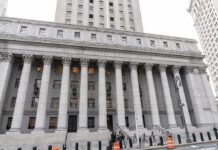
A federal judge issued a temporary restraining order that stopped the government from using Department of Homeland Security money to develop, place, or air a set of promotional television ads. The order also required the government to cancel any remaining ad placements. The court acted after plaintiffs argued the $20 million effort broke long-standing limits on using public funds for “publicity or propaganda.” Reports said the court found plaintiffs likely to succeed on the merits, at least at this early stage.
The case’s focus is not just the ads’ content but the use of taxpayer money for messaging that critics called political. Congress has restricted propaganda-like spending for decades, and the Government Accountability Office has warned against communications that are purely partisan. That is why the judge’s order was broad and specific. It blocked any new agreements and demanded cancellation of remaining slots. That scope made the next day’s events easier to measure against clear rules.
What Happened After The Order Took Effect
After the order, some of the challenged ads still aired. A Department of Justice filing admitted the continued broadcasts and said, “The undersigned apologizes to the Court and the plaintiffs.” The filing laid out a timeline: the judge emailed the order in the early evening, but agency counsel did not see it until the next morning. Government lawyers said that delay explained why some ads aired overnight or early the next day.
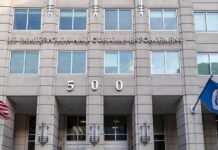
The Department of Justice also described steps it says it took once the order was seen. It reported that Customs and Border Protection’s $20 million purchase order was stayed. It said future payments were frozen, and that the Office of Management and Budget’s $20 million apportionment was put on hold. It also said the outside vendor was told to stop running the spots. Those details show concrete actions after the court’s directive.
Evidence Of Continued Airings And The Gaps It Reveals
Independent ad-tracking data reviewed by a national outlet showed the two most prominent ads, “Final Battle” and “Maduro,” aired many times after the 6:45 p.m. Eastern deadline. That report described hundreds of post-deadline plays across markets. That kind of countable activity turns a process error into a public problem. It also creates a record a judge could examine if there is a fight over compliance and possible contempt later on.
At the same time, the record leaves open key questions. Reports do not show who beyond agency counsel knew about the order before the next morning. We do not have a full station log, vendor affidavits, or a court-verified audit that maps each airing to each instruction. The Department of Justice’s apology and timeline help explain the lapse, but they do not prove that every part of government and every contractor moved in sync that night.
Why Both Sides See A Larger Pattern
Conservatives who worry about waste see a $20 million spend that did not boost border security or cut energy costs. Liberals who worry about fairness see public money used to polish a leader’s image during a heated season. Both groups see a government that struggles to follow its own rules in real time. When a judge orders cancellations and the ads keep playing, even for a night, it looks like the system protects itself first and taxpayers last.
A judge halts the taxpayer-funded ads glorifying @realDonaldTrump, and they keep playing. Our money, his campaign commercials, and a court order treated like a suggestion. Trump thinks the law is for other people. Obey the judge, and pay back the taxpayers. Who will stop him?
— Just sayin ❌👑 (@Just_sayin18) October 12, 2026
Legally, two questions run side by side. One asks whether the ad campaign itself broke the law that bars publicity or propaganda. The other asks whether the government complied with the court’s stop order. The judge’s early finding favored the plaintiffs on the first question. The Department of Justice’s apology and corrective steps address the second. The missing piece is verification that the fixes worked fast and fully—and a clear playbook to prevent a repeat.
What To Watch Next
Watch for a compliance report that lists when each agency and vendor received the order, which placements were canceled, and which broadcasts still aired. Look for sworn statements from the media buyer and stations. If the court probes compliance, it can order records and, if needed, consider contempt. Also watch whether Congress or watchdogs seek documents on any standard procedure for urgent injunctions tied to ad buys. Clear records can calm anger across the aisle—or confirm it.
Sources:
democracydocket.com, cbc.ca, politico.com, apnews.com, gao.gov, congress.gov
© patriotwise.com 2026. All rights reserved.