

Federal agents searched Rep. Ilhan Omar’s home for an immigration probe, and she voted early days later while that investigation stayed active.
Story Snapshot
- Agents executed a judicially authorized search tied to immigration paperwork.
- Reuters says the sealed warrant listed conspiracy and false statements as potential crimes.
- A federal filing reportedly named “Ilhan Nur Said Elmi” with “Ilhan Abdullahi Omar” as an alias.
- Omar cast an early ballot in Minneapolis after the search; no charges announced.
What Authorities Did And What They Said
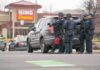
On October 12, 2026, federal agents searched Rep. Ilhan Omar’s Washington, D.C. residence. The Department of Justice said Homeland Security Investigations executed a judicially authorized warrant as part of an ongoing criminal probe. News reports tied the investigation to decades-old immigration paperwork. The New York Times also reported on the home search the same day. Officials did not release the affidavit. They did not outline specific evidence, witnesses, or seized items in public statements.
On October 16, Reuters reported the sealed warrant listed possible offenses. The list included conspiracy, false statements on immigration paperwork, and immigration fraud. Reuters attributed the details to a person familiar with the warrant. The report said investigators were examining older records tied to Omar’s path to citizenship. The named offenses signaled the direction of the probe. They did not, by themselves, prove the elements of any crime.
The Naming Discrepancy In Court Records
On October 21, a federal filing reportedly named Omar as “Ilhan Nur Said Elmi,” and listed “Ilhan Abdullahi Omar” as an alias. Reports did not explain why the record used multiple names. Some refugees and immigrants show more than one name across documents due to translation, marriage, or clerical issues. The filing, as reported, did not state that a name was fabricated or stolen. It identified names for investigators to examine against older files.
The British Broadcasting Corporation summarized media accounts that the probe looks at her citizenship and whether she gave false information in the 1990s. That includes reported questions about her age at the time she arrived in the United States in 1995. Reuters said the government is reviewing decades-old immigration forms. These are specific administrative records. They sit at the center of many identity and naturalization inquiries.
Voting Amid An Active Investigation
On October 23, CBS News reported that Omar voted early in Minneapolis. The report noted that agents had searched her home 11 days earlier and that the investigation continued. State and federal officials had not announced charges tied to voting or voter registration at that time. The report did not cite any election authority ruling that she was ineligible. Casting a ballot while under investigation is not itself illegal under Minnesota law.
BREAKING: Ilhan Omar denies wrongdoing amid reports of a federal investigation involving her family and personal records. No charges have been announced. The allegations remain unproven, and due process must prevail over political speculation.
— MarketPulse (@MarketPulse24X) October 24, 2026
The search landed three weeks before Election Day. Timing near an election can sharpen public concerns about fairness and power. A New York Times report described the search and the unusual political context so close to voting. Federal agencies often keep affidavits sealed to protect evidence or witnesses. That practice can fuel debate, because the public cannot see the underlying basis until a court unseals records or a case is charged.
How To Read The Legal Stakes
This story blends three issues that the public often treats as one. Identity asks who a person is across records. Naturalization asks whether citizenship was gained lawfully. Voting eligibility asks whether a person may legally vote on Election Day. A citizenship record can be valid unless a court later finds it was obtained by fraud. Reports state Omar became a United States citizen in 2000, and no court has publicly revoked that status in this matter.
Proven cases of noncitizen voting are rare. A Reuters review found 129 federal prosecutions under the federal noncitizen voting law since 1996, with fewer than that number ending in convictions or guilty pleas. ProPublica found fewer than 150 referrals from January 2025 to May 2026, and 41 people charged, across the country. In Ohio, hundreds of referrals over a decade produced nine indictments for noncitizen voting, according to the Associated Press. Base rates help frame today’s claims.
What Comes Next
Key steps that could clarify facts include unsealing the warrant affidavit and reviewing the immigration record. Those records would show what investigators think happened and why. They would also show if names differ due to error, translation, family changes, or fraud. If prosecutors file charges, they must state elements of each offense. If no charges come, agencies may still update records. For now, officials have confirmed only the search and the investigation.
Sources:
thegatewaypundit.com, abc7news.com, sfchronicle.com, nytimes.com, cbsnews.com, foxnews.com, cnn.com, reuters.com, cambridge.org
© patriotwise.com 2026. All rights reserved.