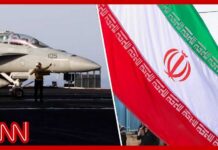
As Yemen’s Houthi movement moves to choke off Saudi oil exports through the Red Sea, drivers half a world away could soon pay more every time they fill up.
Story Snapshot
- The Houthis have declared a naval embargo on Saudi Arabia and pushed tankers to turn away from the Red Sea.
- Shipping traffic through Red Sea chokepoints is still far below normal, forcing longer and costlier routes.
- Past Houthi attacks already raised freight and insurance costs, showing how quickly such crises feed into prices.
- With the Strait of Hormuz crippled, losing the Red Sea route tightens oil markets and risks higher fuel prices for families.
Houthis Turn the Red Sea into a New Oil Chokepoint
On July 20, Iran-backed Houthi rebels in Yemen announced a “complete naval blockade” of Saudi Arabia, warning shipowners not to call at Saudi ports or risk attack. Their territory lines the Bab el-Mandeb Strait, the narrow southern gate to the Red Sea that carries major oil and trade flows between Asia and Europe. Soon after the threat, ship-tracking showed at least seven oil tankers near Yemen sharply changing course instead of heading toward Saudi routes. For ordinary Americans, these choices at sea can eventually change what they pay at the gas pump.
Analysts say this embargo is not an empty stunt. It sits on top of almost three years of Houthi attacks on merchant and naval vessels in the Red Sea and Gulf of Aden, with dozens to more than one hundred strikes recorded since late 2023. Earlier waves of attacks forced shipping companies to divert or suspend routes, proving that even partial disruption in this corridor can shake global supply chains. The new move targets Saudi flows in particular, raising the stakes for energy markets that were already under strain.
Hormuz Crisis Makes the Red Sea Even More Critical
This Red Sea showdown comes while the Strait of Hormuz, long the world’s main oil chokepoint, is itself barely open. Since joint United States and Israeli strikes on Iran on February 28, most vessels have been blocked or priced out of Hormuz by risk and soaring insurance. A Brookings study describes traffic there as near a standstill, with only a few ships paying the Islamic Revolutionary Guard Corps “tolls” for passage. With Saudi Arabia moving more crude through Hormuz than any other country, that closure has already helped trigger a major energy crunch and rising prices worldwide.
To cope, Saudi Arabia increased use of the Red Sea and Bab el-Mandeb route as a backup path for oil exports. That Plan B is now in danger. If Houthis turn threats into sustained attacks on Saudi-linked tankers, the kingdom’s remaining export corridor could be squeezed just as Hormuz stays crippled. Energy experts warn that hitting both chokepoints at once is exactly the kind of “double shock” that tightens global oil supply, lifts benchmark prices, and eventually filters down into higher gasoline and diesel costs for consumers. In simple terms, fewer safe paths for oil means more pain at the pump.
Shipping Detours Drive Up Costs Before Oil Runs Short
Even without a full blockade, fear alone can move markets. During the 2023–2024 Red Sea crisis, more than 2,000 ships rerouted away from the Red Sea after early Houthi attacks, choosing longer voyages around Africa that added roughly ten days and about $1 million in fuel per trip. A United States Defense Intelligence Agency report found container shipping through the Red Sea fell by about 90% from December 2023 to February 2024 as companies fled the danger zone. These detours did not always make headlines, but they quietly increased costs throughout global trade.
Those cost shocks soon reached regular households. A United Nations trade analysis found spot container rates from Shanghai to Europe jumped about 256% on average in that period, largely due to Houthi disruption in the Red Sea. Shipping firms and retailers responded the only way they know how: they passed costs on to customers. A United Kingdom survey reported container hire costs up 300%, hitting more than half of export businesses. United States research for Congress later warned that if such elevated shipping costs persisted, they could add up to 0.7 percentage points to global inflation over a year. Higher freight and insurance today can mean higher prices for fuel, food, and goods tomorrow.
Why Both Left and Right See a System Failing Them
These crises expose how fragile the system is when distant armed groups can jolt prices for millions of families who never voted for them and have no say in their wars. Analysts note that Houthi attacks since 2023 have turned the Red Sea into a risk zone where seven of the ten largest shipping firms at one point pulled out, while governments struggled to keep trade moving. Western coalitions launched patrols and struck Houthi targets, yet shipping volumes through Bab el-Mandeb and the Suez Canal still fell by about 60%, and several ships were sunk. Many Americans watching this feel like global trade is being run for elites, not for people trying to get to work or keep small businesses open.
🔴 HOUTHI ESCALATION TARGETS SAUDI OIL TANKERS IN RED SEA 🇸🇦🇾🇪
Houthi forces deployed MISSILES and DRONES against two SAUDI tankers. This maritime embargo signals a dangerous shift in regional stability near the RED SEA shipping lanes. ⚓💥#Houthi #OSINT
— OSN – Observer Security Network (@OSN_Reports) July 22, 2026
Experts warn that continued Houthi interference, layered on top of the Hormuz shutdown, will likely mean tighter oil markets and higher energy prices if it drags on. But families on both the right and the left are asking a deeper question: why does it seem like no one in Washington or in other capitals can build a system that protects them from distant shocks, instead of simply reacting after prices jump? The Red Sea crisis is not just about tankers and war. It is another reminder that when global routes break down, everyday citizens pay first, while the powerful argue over strategy and blame.
Sources:
19fortyfive.com, en.wikipedia.org, news.az, bbc.com, lloydslist.com, documents1.worldbank.org, reuters.com, indiatoday.in, coface.com, news.usni.org, atlasinstitute.org, cfr.org, aei.org, dia.mil
© patriotwise.com 2026. All rights reserved.