
Turkey’s president used the United Nations climate summit to label the war in Gaza an “ecocide,” pointing to United Nations data showing vast damage to land, water, and cities.
Story Highlights
- Turkey’s president called Gaza’s war an “ecocide” at the United Nations climate summit, citing environmental harm.
- United Nations assessments report massive crop loss, damaged ecosystems, and widespread debris across Gaza.
- Sewage and water systems have collapsed, raising serious health and groundwater risks.
- The legal term “ecocide” remains debated, but the environmental damage is extensively documented.
Erdoğan’s Charge And The Setting At The Climate Summit
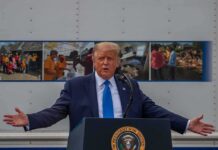
Turkey’s President Recep Tayyip Erdoğan told world leaders at the United Nations climate summit that the war in Gaza is not only a genocide but also an “ecocide.” He said centuries-old olive trees were cut, soil and water were polluted, and cities turned into rubble. His remarks drew global attention because they tied a live war to an environmental forum, and because they leaned on United Nations findings of sweeping damage across Gaza’s land and infrastructure.
Israel’s government rejected Erdoğan’s remarks and accused him of spreading lies at an international event focused on climate and environment, according to published reports. The exchange showed how conflict, climate policy, and human rights have merged in public debate. It also underscored a shared concern across politics: when leaders trade charges, ordinary people face the fallout, from unsafe water to lost work in farms and fishing.
What United Nations Assessments Say About Gaza’s Environment
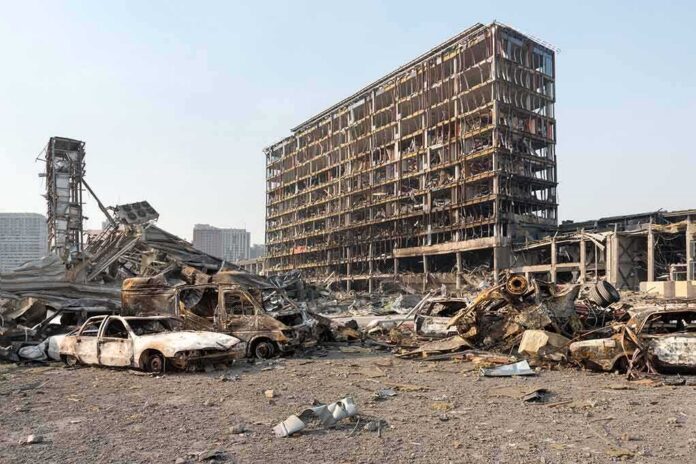
United Nations Environment Programme assessments report extreme damage to crops and habitats. By May 2025, about 97 percent of tree crops and more than 82 percent of annual crops were damaged. Shrubland and grass or fallow land also saw severe losses. The same reviews estimate that about 78 percent of Gaza’s buildings were damaged or destroyed, creating more than 61 million tonnes of debris, far beyond past conflicts in the area.
United Nations experts also found that the conflict cut off safe water, ruined sewage plants, and polluted beaches and soil. All five wastewater-treatment plants shut down early in the war, pushing raw sewage into the environment. The reports warn that groundwater faces rising contamination risks from broken pipes and widespread cesspits. They say these harms threaten health today and slow any fair recovery for families in the years ahead.
Water, Waste, And The Human Cost Of Environmental Damage
United Nations reports describe a chain reaction: damaged pipes, power loss, and blocked repairs forced people to rely on unsafe water. Sewage flowed into streets and the sea, carrying pathogens and chemicals. Debris piles may hold asbestos and other hazards. The agency warned that marine life and fishing jobs were “all but eliminated” by sewage, munitions, and solid waste in coastal waters. These risks add to hunger and disease and make daily life even harder.
At COP31, Erdoğan described Israel’s destruction in Gaza as both genocide and ecocide, highlighting contaminated water, destroyed agricultural land and damaged infrastructure. Gaza’s environmental devastation is becoming an increasingly important dimension of the conflict. pic.twitter.com/l59EmYMlgT
— Middle East Index (@middleeastindex) November 12, 2026
Cleanup will take years and cost large sums. United Nations assessments call for mass debris removal, safe recycling, soil testing, and quick rebuilding of water and sewage systems. They say testing should check for heavy metals, explosive residues, and other toxins. They also note limits: much early work used satellite images and partner inputs due to access problems. Even so, the scale of harm to land, water, and cities is consistently documented across reports.
How The “Ecocide” Label Fits The Law And The Politics
“Ecocide” is a powerful word, but it is not a settled legal verdict in this case. The United Nations assessments document severe, widespread harm. They do not decide who caused each loss or whether specific acts meet a legal test for ecocide. That legal step would require proof about conduct, intent, and duration. Still, Erdoğan’s use of the term put a spotlight on the environment as a core civilian cost of modern war, not a side issue.
For Americans watching from a distance, the stakes feel familiar. People across the spectrum worry that leaders talk past each other while basic needs go unmet. Unsafe water, broken sewage, and toxic debris hit the poorest first and linger long after speeches end. United Nations plans focus on practical steps: clear rubble, fix pipes, test soil and groundwater, and restore farms and fisheries. Those steps, if funded, can help families rebuild daily life faster.
Why This Matters Beyond Gaza
Wars now destroy more than buildings. They also tear up farms, kill fish stocks, and poison water. That drives hunger, pushes people to leave home, and raises costs for taxpayers elsewhere who fund aid and cleanup. United Nations experts warn that recovery depends on safe demolition, clean water, and strong public-health work. The lesson for policymakers is simple: if leaders ignore the environment, they risk longer crises and higher bills for everyone.
Sources:
youtube.com, unep.org, un.org, independent.ie, rappler.com, aa.com.tr, documents.un.org
© patriotwise.com 2026. All rights reserved.