
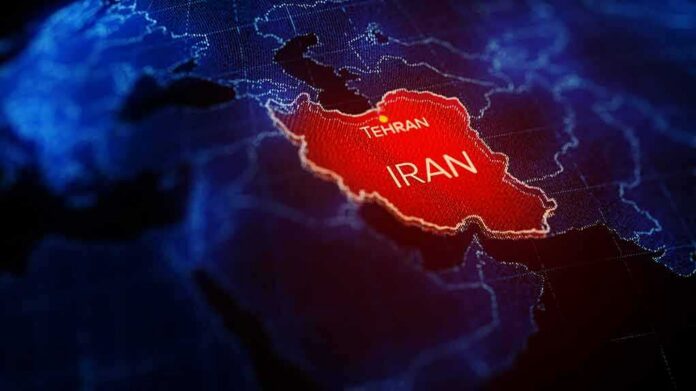
Months after officials promised a brief, decisive campaign, the Iran war has stretched on and exposed a gap between early confidence and hard reality.
Story Snapshot
- Leaders and commentators forecast a short war; the fight has continued with no clear end.
- Analysts now describe unmet political goals despite tactical strikes that hit many targets.
- Experts warn air power alone rarely forces regime change or lasting compliance.
- Americans across parties see rising costs and few results, fueling distrust in Washington.
Early Promises Of A Short War Ran Into A Longer Grind
Before and during the opening weeks, leaders and market analysts argued the war would be brief. The United States signaled a four-to-five-week operation and “not another forever war”. President Trump also projected a short timeline, but months later the conflict persisted without resolution. This mismatch matters. Voters on the right and left are tired of rosy forecasts. They want clear goals, honest timelines, and a plan to contain costs at home and abroad.
Commentators who cheered quick success pointed to early military gains. They cited heavy strikes on Iranian targets and degraded capabilities. Some said the United States would come out ahead in most outcomes. But other experts and institutions now stress those attacks did not achieve the central political aims. They say Iran adapted, shifted pressure outward, and raised costs across the region instead. That turn blunted the promise of a fast win.
Tactical Strikes Landed; Strategic Goals Remain Out Of Reach
Independent reviews describe a common pattern. Air strikes damaged facilities and disrupted operations, yet failed to deliver regime change or firm compliance. The French Institute of International Relations assessed regime change as a failure and listed only partial success against nuclear and missile programs. The Los Angeles Times called the effort tactically efficient at times but short of strategic effect. This is the core problem: tactics can win days; strategy must win outcomes.
Brookings warned early that a war of choice against Iran was unlikely to succeed and would produce effects that leaders could not control or contain. The Chatham House analysis later echoed this view, saying central objectives had not materialized months into the campaign. Together, these findings track with a long record in air campaigns. Bombs can break things. They rarely settle the politics that follow. That is where wars are won or lost.
Why Air Power Alone Often Falls Short Against Determined States
Air power experts have been blunt. Robert Pape, a leading scholar of coercive air campaigns, argued that strikes alone would not oust Iran’s leaders and risked a drawn-out fight. The Atlantic highlighted a recurring error in U.S. planning: assuming air attacks can secure victory on their own. These warnings fit the facts today. Iran absorbed heavy blows, adjusted its tactics, and denied a quick decision. The result is stalemate risk, not quick success.
🚨 BREAKING: 🇺🇸🇮🇷
Trump’s Iran campaign has now lasted six months, far longer than his early predictions.
The war that was expected to be short has become an open-ended conflict.
— Levant News (@LevantWire) August 29, 2026
Think about the costs. Families worry about higher energy prices when the Strait of Hormuz faces pressure. Small firms fear supply shocks and insurance spikes. Taxpayers watch bills rise while leaders trade claims of progress. People across parties ask a simple question: where is the plan to finish this fight on terms that serve the public, not the permanent class in Washington? That demand for end-state clarity is not partisan. It is common sense.
What To Watch Next: Endgame, Costs, And Credibility
Watch for three signals. First, listen for a clear, measurable political end-state tied to realistic tools, not slogans. Second, track whether military actions align with that end-state, instead of chasing targets for their own sake. Third, follow oversight on costs and risks that fall on working families. Analysts warn that, without alignment, strikes will keep landing while outcomes slip away. That is how public trust erodes—and how great nations lose their way.
Sources:
x.com, jpost.com, faf.ae, chathamhouse.org, acleddata.com, rt.com, smallwarsjournal.com, semafor.com, engelsbergideas.com
© patriotwise.com 2026. All rights reserved.