
Manhattan rents hit new records weeks after New York City froze increases on about one million regulated apartments, deepening a fight over whether the policy helps or hurts people seeking a home.
Story Highlights
- Manhattan median rent set a record $5,295 in June 2026, up 8% in a year.
- New York City’s Rent Guidelines Board froze one- and two-year stabilized leases in June.
- Critics say freezes push costs onto market-rate renters and shrink supply.
- Landlords sued to void the freeze, alleging improper influence and rising costs.
Record Rents Collide With a Citywide Freeze
Real estate firm Corcoran reported Manhattan’s median rent rose to $5,295 in June 2026, a new high and an 8% gain from last year. Studio and one-bedroom averages also hit records. The data came as New York City entered a first-of-its-kind freeze on one- and two-year leases for rent-stabilized apartments. The sharp contrast set off a new round of blame over why prices keep rising and who benefits when city policy holds some rents flat while others surge.
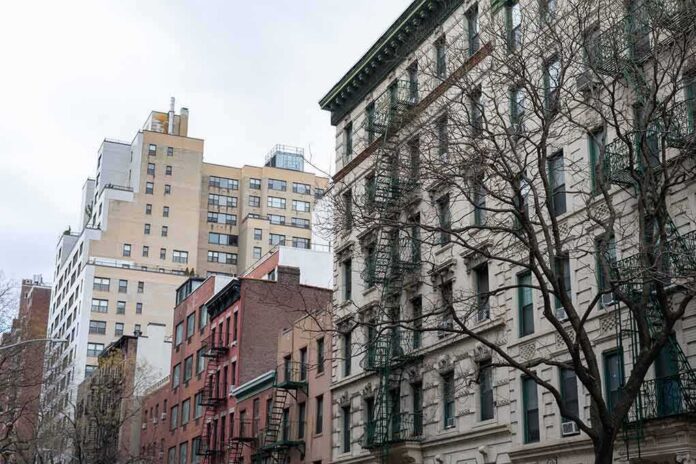
The Rent Guidelines Board voted 7–1 in late June to freeze regulated rents, delivering a major win for Mayor Zohran Mamdani’s campaign promise. The freeze applies to roughly one million stabilized apartments across the five boroughs. Supporters called it relief for tenants living on tight budgets. The move does not apply to market-rate units, which make up the majority of the open listings that set Manhattan’s headline rents each month and shape public perception of cost.
How the Freeze Works—and Who It Touches
The freeze affects new one- and two-year leases signed during the covered period for rent-stabilized homes. Those tenants are shielded from increases that would have otherwise been allowed by the board. Rent-controlled and special-program apartments have separate rules. Market-rate renters, who often move more and face faster price swings, see no cap. That split is fueling the current anger: one group gets certainty, while the other faces record highs and fierce competition for few available units.
Advocates argue the freeze buys time for families facing rising food, transit, and energy costs. They say landlords can manage for a year or two while the city builds more housing. Critics counter that holding prices below costs makes owners defer maintenance, convert units, or exit the market. An opinion analysis warned that freezing a large regulated segment often shifts pressure onto the rest, raising rents for market-rate tenants and discouraging new building when the city needs more homes, not fewer.
Lawsuits and a Deeper Fight Over Costs and Power
A coalition of landlords sued to overturn the freeze, claiming the city ignored evidence that taxes, insurance, and repairs are rising. They also alleged improper pressure on the Rent Guidelines Board. The legal challenge spotlights a core tension: tenants expect protection in a housing crunch, and owners expect a return that covers real costs. Courts will now weigh how far the city can go to mandate relief without breaking the system that supplies rental housing at all.
You’re criticizing Mamdani based on a misleading article. The $6,655 figure is for Manhattan’s market rental market, while the freeze applies to rent-stabilized leases and doesn’t take effect until Oct. 1. How exactly did a policy not yet in effect cause today’s record rents?
— Drew (@realtalk360blog) August 12, 2026
The broader debate echoes decades of research and street-level experience. When prices jump, rent freezes and controls gain fast support. But economists have long warned that strict caps can reduce supply over time, which then drives market rents higher for everyone else. New York City has tried to square this circle before and is trying again now. What is different today is the scale of the freeze alongside record-high asking rents and persistent low vacancy.
What It Means for Renters, Owners, and the City
For stabilized tenants, the freeze creates short-term breathing room. For market-rate renters, the near-term outlook remains tough as demand outpaces supply. For small landlords, flat rents paired with higher costs could tip budgets into the red, forcing hard choices on upkeep or sales. For the city, the only lasting way out is more homes. The administration has pitched plans for new affordable and stabilized units, but those take years to finish and need steady political will to deliver.
Bottom Line: Relief Now, Pressure Later
New York City delivered immediate relief to many regulated tenants, but the headline rent still climbed to a record. The split result feeds a shared worry on both left and right: powerful systems respond to pressure by shifting burdens, not by solving root problems. Without faster building and clearer rules that reward adding and maintaining homes, the fight over who pays will keep moving from the Rent Guidelines Board to the courts—and back to the monthly bill.
Sources:
nyc.gov, nytimes.com, marketplace.org, cityandstateny.com, abc7ny.com, wsj.com
© patriotwise.com 2026. All rights reserved.