A data war over the Strait of Hormuz now decides what you pay to fill your tank and heat your home.
Story Snapshot
- Maritime firm Windward reports days with **“zero AIS transits”**, making Hormuz look fully shut.
- Satellite and “dark ship” data show some vessels still slipping through tightly controlled Iranian corridors.
- Experts warn AIS ship-tracking now **misses up to half** of real traffic in the strait.
- Confusing data lets Iran squeeze the world while global elites spin the story for markets and politics.
Why “Zero AIS Transits” Does Not Mean Zero Ships
When headlines blast that the Strait of Hormuz has “zero AIS transits,” it sounds like a total shutdown of one of the world’s most vital energy arteries. Automatic Identification System, or AIS, is the radio beacon ships use to broadcast their position. Windward, a major maritime data firm, has posted days where its platform shows eight or fewer tracked crossings, and at times “zero AIS transits” at all, a drop of over 95 percent from normal flows.[1] For families already stretched by energy costs and inflation, that sounds like a direct hit to their wallets.
But AIS is only part of the picture, and Iran knows how to game it. Windward itself has warned that “AIS has gone dark near the Strait of Hormuz” while satellite images still show ships moving through the area.[2] Other analysts say AIS-based dashboards can miss about half of real ship movements in Hormuz because vessels turn off transponders, spoof locations, or swap identities to avoid detection and sanctions.[3] In short, a screen that shows “zero” may hide a quiet trickle of traffic that Tehran controls like a tollbooth.
Iran’s “Permission-Only” Chokepoint and the Dark Fleet
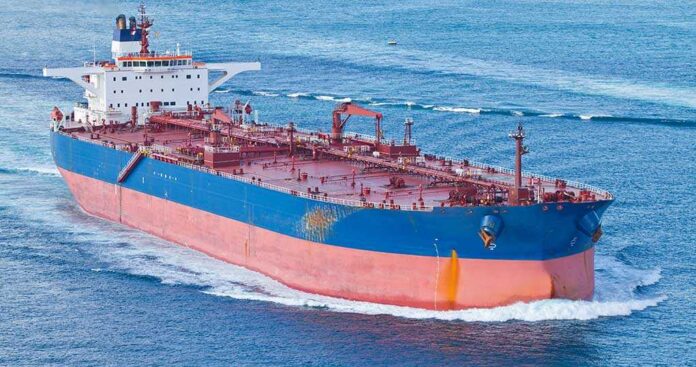
Investigators describe today’s Hormuz as a selective, permission-based system run by Iran’s Islamic Revolutionary Guard Corps, not a clean on-or-off switch.[3] Reports say ships now must pre-register ownership and cargo details and may even make payments before getting a green light to transit. Some routes hug the Iranian coast or use a northern corridor inside Iranian waters, with vessels deliberately sailing “dark,” their AIS signals switched off.[4] Windward’s own intelligence has logged a 600 percent surge in such dark activity, including massive crude tankers and large container ships slipping through invisible to standard trackers.[4]
This shadow system matters for American energy security. While visible tanker traffic has fallen more than 90 percent since the conflict began, with hundreds of vessels idling near the chokepoint, Iran is still loading crude at its ports and testing new export paths east of Hormuz.[5][6] That means Tehran can strangle Western-facing flows while quietly feeding select buyers like China or Russia. It is a classic authoritarian power play: pick winners and losers, punish opponents, and reward friends, all behind a fog of partial data and electronic interference.
Data Fog, Market Spin, and What It Means for Americans
Corporate and global bodies are now fighting over how “closed” Hormuz really is, and their words carry real weight for prices at your gas pump. One respected maritime risk report found transits through the strait collapsed by about 97 percent in a single week, with 128 million out of 142.5 million barrels loaded in March never making it past the gap.[6] Another analysis of emissions data concluded that outbound traffic for the largest tankers fell to less than one percent of the previous year, calling the strait effectively closed for commercial flows.[26] These are not fringe opinions; they shape how traders price oil and how media frame the crisis.
Incorrect
**Around 26 ships transited the Strait of Hormuz in the most recent reported 24-hour period (as of June 18–19, 2026).**<grok:render card_id=“c87563” card_type=“citation_card” type=“render_inline_citation”><argument…
— peter bartow (@pete89247) June 20, 2026
At the same time, other expert bulletins stress that the strait is “controlled” or in “regulated suspension,” not legally shut, with a handful of pre-approved ships still crossing under Iranian military oversight.[7][13][20] A live AIS tracker aimed only at outbound commercial traffic recently reported a complete standstill over several days and called the situation a “critical blockage” for global trade.[2] Yet field research warns that such tools can miss many dark or spoofed transits that never show on public dashboards.[3] This tug-of-war over data lets international elites and hostile regimes move markets and pressure Western leaders while ordinary Americans are left guessing.
Sources:
[1] Web – Windward Says “Zero AIS Transits” On Hormuz Chokepoint
[2] X – The Strait of Hormuz, June 8–9: 8 transits tracked (2 inbound, 6 …
[3] Web – Strait of Hormuz Traffic | Live Vessel Tracking Dashboard
[4] Web – Live Ship Data – Strait of Hormuz
[5] Web – Iran Exerts Control Over Strait of Hormuz with New Corridor – LinkedIn
[6] Web – Will __ ships transit the Strait of Hormuz on any day by June 30?
[7] Web – Windward: Hormuz traffic remains critically constrained – safety4sea
[13] Web – Maritime data firm indicates the Strait of Hormuz remains under strict …
[20] Web – Maritime security update: Gulf Region / Strait of Hormuz and Red Sea
[26] Web – Shipping disruptions and maritime CO₂ emissions: Evidence from …
© patriotwise.com 2026. All rights reserved.