
U.S. Central Command said American forces struck more than 80 Iranian targets after three commercial ships were attacked near the Strait of Hormuz.
Story Highlights
- U.S. strikes hit air defenses, radar, anti-ship missiles, and dozens of small boats in Iran
- CENTCOM linked the action to attacks on three named commercial vessels
- Treasury revoked an oil waiver, tightening pressure on Tehran
- Iran has not publicly admitted the ship attacks, leaving some details unverified
What CENTCOM Says Happened
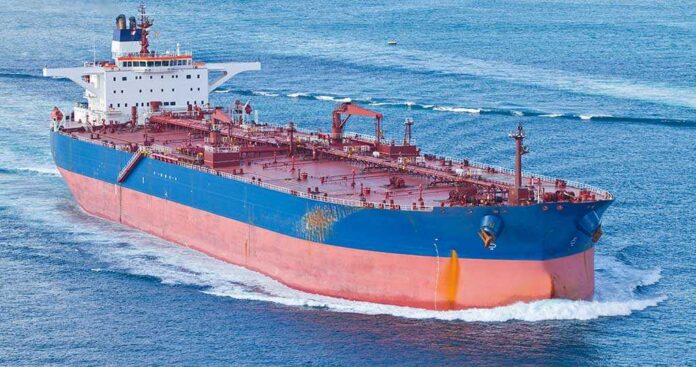
U.S. Central Command stated the strikes were a direct response to attacks on three commercial ships transiting the Strait of Hormuz. The command named the targeted vessels as M/T Al Rekayyat, M/T Wedyan, and M/T Cyprus Prosperity. The statement called Iran’s actions unwarranted and a clear ceasefire breach. This follows a June incident where a one-way drone struck the M/T Kiku, which the command also labeled a ceasefire violation.
CENTCOM detailed the targets hit inside Iran. The military said U.S. forces struck more than 80 sites tied to air defenses, radar, anti-ship missiles, and over 60 small boats linked to the Islamic Revolutionary Guard Corps. The goal, according to the statement, was to reduce Iran’s ability to threaten shipping and to enforce freedom of navigation in the busy waterway that carries much of the world’s oil supply.
Economic and Diplomatic Pressure Mounts
The U.S. Treasury Department tightened sanctions in parallel. Officials revoked a waiver that had allowed limited oil sales, citing actions in the strait that they called wholly unacceptable. The move aims to cut the cash Iran can use to fund its forces and proxies. Market watchers saw oil prices jump as traders weighed possible supply risks from the strikes and any Iranian reply that could further disrupt shipping lanes.
The action fits a broader pattern in this conflict. Since early 2026, both sides have traded strikes and sea moves that test limits around the narrow waterway. U.S. officials stress the legal principle of free passage. Iranian leaders claim security needs and past agreements back their warnings to ships. Each new clash raises costs for shippers, insurers, and consumers who feel spikes at the pump when tankers reroute or halt.
What Is Confirmed and What Is Not
U.S. officials supplied vessel names and categories of Iranian sites that were struck. They tied the operation to recent attacks on those ships. However, Iran has not publicly admitted to firing on the three vessels. Independent bodies such as the United Nations or neutral maritime agencies have not released forensic reports confirming projectile types or launch points. CENTCOM’s releases also do not share exact timestamps or munition details for each strike on the ships.
Earlier, the command documented a drone attack on the M/T Kiku and framed it as a ceasefire violation. That event, plus the latest ship attacks, formed the stated basis for U.S. military action. The command’s media page and prior releases outline a steady drumbeat of protective operations for commercial traffic. These include escorts, surveillance, and rapid responses to threats against ships near the strait and Gulf waters.
Why It Matters for Americans
Shipping risks in the Strait of Hormuz can raise fuel prices at home and hit family budgets. More U.S. deployments also cost money and attention when many feel leaders ignore problems at the border, in cities, and in the economy. People on the right and left often agree on this point: the government should be clear about goals, evidence, and end states before new strikes. Transparent proof helps earn trust when the stakes include war and household costs.
U.S. leaders say the mission is simple: keep sea lanes open and stop attacks on civilians at sea. That is a core duty under international law, and most Americans want safe trade routes. The question many ask is how to do it without sliding into a wider war. Clear public evidence, defined limits, and honest timelines can ease fears that powerful insiders make choices while regular people pay the price at the pump and in their taxes.
What to Watch Next
Look for satellite images, ship tracking data, or crew statements that can verify how the three tankers were attacked. Watch oil prices and shipping insurance rates, which signal if the strikes calmed or worsened risk. Track whether Iran tries new seizures or missile launches from its coast. Finally, note if the U.S. releases more proof tying the attacks to specific Iranian units, or if allies back the campaign with public statements and patrols.
If the pattern holds, both sides will test each other with deniable actions and measured replies. That cycle is dangerous for sailors and costly for consumers. A stable path would pair firm protection of ships with evidence sharing and defined goals. Citizens deserve straight answers on how long the mission lasts, how success is measured, and how leaders will prevent mission creep that deepens our foreign entanglements and drains trust at home.
Sources:
thegatewaypundit.com, x.com, cbsnews.com, centcom.mil
© patriotwise.com 2026. All rights reserved.