Days before votes are counted, the Justice Department asked a federal court to stop California from tabulating ballots linked to more than 20,000 “likely noncitizens.”
Story Snapshot
- Justice Department sued California to halt counting certain ballots pending citizenship checks.
- Federal list was built by matching voter rolls to federal immigration data.
- California officials say the evidence is thin and some listed people appear U.S.-born.
- Clock-pressure tactics and secret data fuel fears on both sides about election fairness.
What The Lawsuit Seeks And Why It Matters
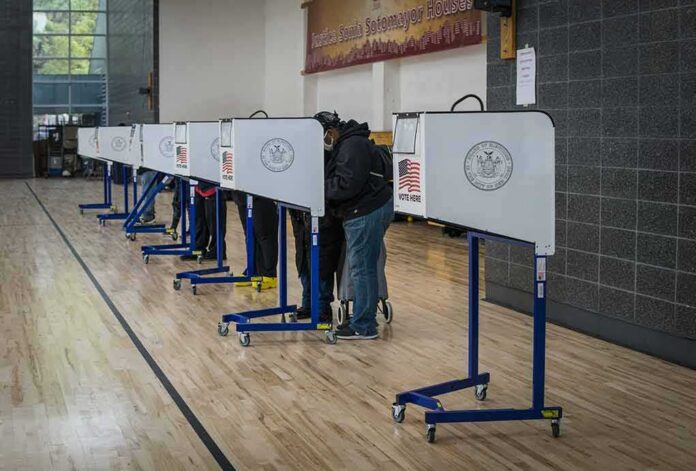
On October 15, the Department of Justice filed suit in federal court to block California from counting ballots tied to more than 20,000 people flagged as “likely noncitizens.” The department says it cross-checked state voter rolls with federal data and sent the names to state officials. It is not asking to toss votes outright. It wants counties to set those ballots aside until citizenship can be confirmed by records review.
Justice Department lawyers argue that emergency action is needed to protect federal races. They say the list provides a concrete set of names and that states must ensure only eligible citizens vote. The filing frames the remedy as temporary. Ballots would be counted once voters’ status is verified. That narrower ask is key. It aims to avoid claims of mass purges or canceled votes while still stopping any ineligible ballots from being mixed in.
How California Responded And What Early Checks Found
California leaders dispute the federal case. The Secretary of State’s office says the government has not shown that the listed people are noncitizens or that any have actually voted. Local election officials in Los Angeles County reviewed a small sample and reported that some records showed U.S. birthplaces, which strongly suggests citizenship. They called the federal list unreliable based on these first checks and the lack of shared matching details.
Reporters also detailed tense process issues. California officials said the federal government delivered a password-protected thumb drive and gave only 48 hours to review names. The state did not meet that timeline. The Justice Department then filed the suit seeking immediate relief. That rush, and the use of undisclosed databases, fueled claims that Washington was pushing unproven data into the final election stretch, risking disruption at the counting stage.
What We Know About The Data And Its Limits
Federal officials say they built the list by comparing voter-registration records against information held by the Department of Homeland Security and other federal partners. They did not publish the names, match fields, or error rates. The term “likely noncitizens” shows that the department views the results as preliminary. Without public match rules, it is hard to judge how the process handled name changes, naturalization, or outdated files.
𝐃𝐎𝐉 𝐒𝐔𝐄𝐒 𝐂𝐀𝐋𝐈𝐅𝐎𝐑𝐍𝐈𝐀 𝐓𝐎 𝐁𝐋𝐎𝐂𝐊 𝟐𝟎,𝟎𝟎𝟎 𝐒𝐔𝐒𝐏𝐄𝐂𝐓𝐄𝐃 𝐍𝐎𝐍𝐂𝐈𝐓𝐈𝐙𝐄𝐍 𝐕𝐎𝐓𝐄𝐑𝐒 𝐖𝐄𝐄𝐊𝐒 𝐁𝐄𝐅𝐎𝐑𝐄 𝐓𝐇𝐄 𝐌𝐈𝐃𝐓𝐄𝐑𝐌𝐒
The Justice Department filed suit against California Secretary of State Shirley Weber and Los Angeles County… pic.twitter.com/LVPtXiebKE
— M.A. Rothman (@MichaelARothman) October 20, 2026
History shows big data sweeps can flag far more people than later prove ineligible. Prior studies have found that noncitizen voting is rare, while list matches can create false positives when records are incomplete or old. That does not prove the California list is wrong. It does explain why independent reviews, clear criteria, and a transparent path to fix mistakes are vital before any ballots are rejected or even delayed in the count.
What’s At Stake For Voters And Trust
Voters across the spectrum want two things at once: stop illegal voting and protect every lawful vote. This fight puts both goals under stress. If the list is accurate, counting ineligible ballots would be a breach of basic fairness. If the list over-flags citizens, even a pause can feel like silencing them. Courts now must weigh accuracy, timing, and the practical work counties can do without derailing the count already in motion.
The deeper worry is about power and process. People see agencies trading files in secret, thumb drives passed with short deadlines, and rival press releases instead of shared facts. That pattern feeds a belief that the system serves insiders first. A credible fix would pair targeted ballot segregation with a fast, documented verification process, clear notice to voters, and a public error-rate report so the country can see what is real—and what is not.
Sources:
nypost.com, aljazeera.com, npr.org, brennancenter.org
© patriotwise.com 2026. All rights reserved.