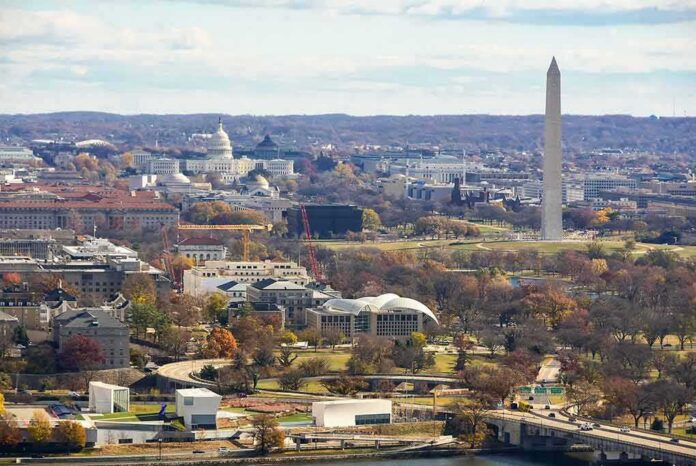
Secretary of State Marco Rubio said there is no imminent threat to Washington even as media reports cite U.S. intelligence about possible Iranian plans involving a dirty bomb or chemical weapon.
Story Snapshot
- Rubio rejected claims of an imminent attack while abroad, stressing confidence in U.S. warning systems.
- Media reports say seven U.S. officials described Iranian planning that named potential targets and locations.
- The White House said agencies are monitoring threats but see no credible homeland threat at this time.
- Rubio blasted some anonymous intelligence sources as unreliable, fueling a credibility fight with the press.
What sparked the alarm and who is saying what
CNN reported that seven U.S. officials said new intelligence showed Iran was developing attack options in Washington using a dirty bomb or a chemical weapon, with planning that included specific locations and possible targets. The report framed the activity as keeping options open, not proof of an imminent strike. While traveling, Secretary of State Marco Rubio said he did not believe there was an imminent threat to Washington and voiced confidence in U.S. intelligence systems to detect real danger in time.
The White House stated it was monitoring any and all potential threats but said there were, at that moment, no credible threats to the homeland. That message matched Rubio’s “not imminent” line but did not dismiss the idea that Iran might explore options. Together, these official statements point to a common posture: take the warning seriously, but avoid public panic when agencies have not confirmed capability, intent, or timing that meets a credible or imminent threshold.
How intelligence warning differs from imminent threat alerts
Strategic warning tells leaders that an adversary is developing options. It does not mean an attack will happen soon. Intelligence history shows timing is the hardest call. Agencies often see fragments that justify extra security steps, but not the concrete signs that trigger an imminent warning to the public. The reported Iran case fits this pattern: planning signals exist, but officials are still debating whether Iran can or will execute a plot in Washington at this time.
That gray zone frustrates people across the spectrum. Many citizens believe Washington hides facts while protecting insiders. Others think unnamed sources hype threats to shape policy or drive clicks. Rubio leaned into this distrust when he said some government sources quoted by reporters are “liars and criminals,” and that most daily threat streams do not pan out. His words attack the media’s sourcing while reinforcing the view that the system often talks big and delivers little accountability.
Why this matters for public trust and safety
Americans want straight talk: What is real, and what can be done now? In this case, officials agree on vigilance but disagree with media framing about immediacy. The public hears “dirty bomb” and thinks worst case. Yet officials have not presented evidence of materials, teams, or a clear logistics trail in Washington. That matters. Without those signs, agencies increase protective measures, but they stop short of warning of a likely near-term strike on the capital.
UPDATE — Part2
The Gulf front widened again early on Wednesday. Bahrain's Defence Force said its air defences intercepted several Iranian aerial attacks, accusing Tehran of a "systematic hostile approach" against the kingdom, which hosts the US Navy's Fifth Fleet; Bahrain's… pic.twitter.com/Y5r9i8krKf— kenji Noguchi (@AmYIsraelKhai) November 18, 2026
This debate also tests how the government handles secrecy in a free society. People on the right and left worry that elites hide facts and then spin them later. Clear thresholds can help. Leaders can explain the difference between “potential,” “credible,” and “imminent,” and tell the public what would move a threat up the scale. That approach uses plain rules, not politics, to show when to raise alarms and when to hold steady while investigators do the hard work.
What to watch next
Watch for concrete steps, not just words. If agencies brief Congress on specific targets, methods, or named operatives, that would show firmer ground. If security increases around certain federal sites or officials, that can signal a higher confidence level in the threat picture. Also track whether multiple outlets, not just one, confirm the same details on targets or materials. Cross-checks reduce the risk that a single set of anonymous voices is steering the story.
Sources:
washingtonexaminer.com, edition.cnn.com, hindustantimes.com, gulfnews.com
© patriotwise.com 2026. All rights reserved.