Israel’s deadliest strikes since the truce, followed by a threat to resume full war in Lebanon, signal a perilous slide back to open conflict.
Story Snapshot
- Israeli jets and artillery hit dozens of Hezbollah sites after a shaky ceasefire extension.
- Israel says Hezbollah violated the truce; Hezbollah says its attacks answered Israeli strikes.
- United Nations peacekeepers have logged heavy cross-border fire and airspace breaches by both sides.
- Escalation risks a wider regional fight and more civilian harm in Lebanon and northern Israel.
What Triggered The Latest Escalation
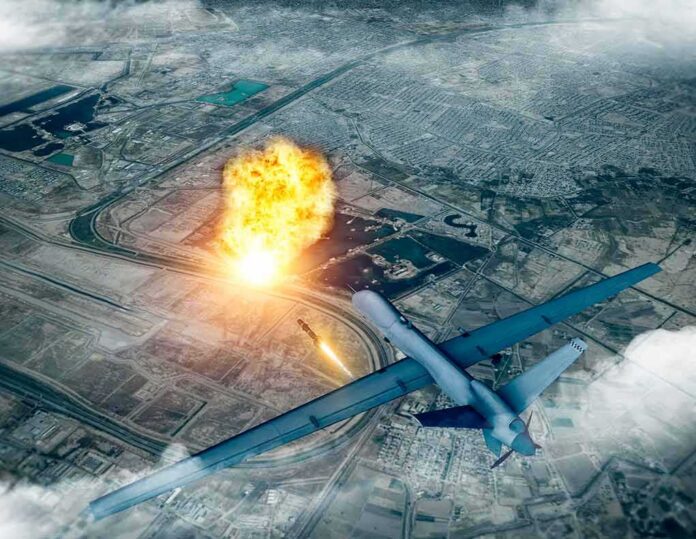
Israeli forces launched the most intense attacks in Lebanon since the ceasefire began in April. The May strikes hit targets across southern and eastern Lebanon and pushed beyond prior lines. Israeli officials linked operations to Hezbollah units and infrastructure. The Israeli military said it acted because Hezbollah broke the ceasefire, and warned more action could follow. Reuters and The New York Times described dozens to over one hundred targets struck during late May operations.
Days earlier, Israel struck Beirut’s southern suburbs for the first time in weeks. Officials said the strike aimed at the commander of Hezbollah’s Radwan unit, a key force in cross-border raids. The attack showed Israel’s willingness to reach deeper into Lebanon when it sees a high-value target. That strike marked a clear escalation in both location and intent, raising fears the truce was failing fast.
Competing Claims Over The Ceasefire
Israeli spokespeople said Hezbollah violated the ceasefire, forcing Israel to respond with strength. The statements listed several Lebanese villages where strikes occurred and framed the actions as necessary to stop attacks. Lebanese and regional outlets reported civilian deaths, including paramedics, during some of these strikes. The pattern of claim and counter-claim hardened as each side sought to justify its next move under a truce many now call unworkable.
Hezbollah said it attacked Israeli military sites in response to Israeli violations. The group claimed drone and missile strikes on soldiers, vehicles, and equipment along the border. The Guardian and Al Jazeera reported these statements and framed the fighting as tit-for-tat under a truce that failed in practice. The cycle left civilians on both sides exposed to sudden bursts of fire with little warning.
What Monitors And Data Show
United Nations peacekeepers in Lebanon reported intense cross-border fire during peak weekends. They counted hundreds of Israeli projectiles and repeated airspace breaches in short spans. Past mission reports documented thousands of air violations and multiple incursions since the broader hostilities pause. These records show routine breaches by both sides, even if they do not settle who fired first or why on any given day.
Reuters described the situation on May 18 as “continued war” despite a United States-backed truce extension. Israeli airstrikes hit southern Lebanon while Hezbollah announced new attacks the same day. That reporting captured how the agreement functioned on paper but not on the ground. The gap between diplomatic language and battlefield reality grew as strikes spread and the death toll rose.
Why This Matters For Americans
Wider war in Lebanon would test United States diplomacy, markets, and military commitments. A northern front draws Israeli focus and raises risks of Iranian involvement. Energy prices can spike when missiles fly near major routes and producers. Americans already stretched by higher costs could pay more at the pump and the store. Congress may face new aid requests while many voters doubt Washington’s ability to manage foreign crises well or spend money wisely.
Israeli War Minister vows to 'settle scores' amid escalating massacres in south Lebanon
——
▪️Israeli War Minister Israel Katz said on Sunday that "no score on any front will remain unsettled," adding that Israel would "forcefully defend our soldiers and citizens" following… pic.twitter.com/aiBsATV3r7— The Cradle (@TheCradleMedia) August 16, 2026
Both the right and the left see a pattern they know too well. Leaders sign deals, issue statements, and promise restraint, but guns keep firing. Data from United Nations peacekeepers show constant violations over time. That suggests the system on the border is broken, not just the latest players. When guardrails fail, civilians and soldiers pay first, and taxpayers worldwide often pay next. The hard question now is whether outside pressure can rebuild a real stop to the shooting.
What To Watch Next
Watch for whether Israel limits strikes to border belts or resumes deep operations in Beirut and the Bekaa. Track if Hezbollah reduces cross-border fire or expands drone and rocket attacks into northern Israel. Look for a new monitoring push with verifiable steps, not just statements. If diplomacy stalls and the shelling pace holds, open war likely returns by default. That outcome would raise the human cost and pull in more outside players fast.
Sources:
en.wikipedia.org, gov.uk, aljazeera.com, reuters.com
© patriotwise.com 2026. All rights reserved.