
A federal judge halted key parts of a new Postal Service ballot rule days after it was finalized, signaling courts see real risk to mail voting this fall.
Story Snapshot
- A Massachusetts federal court issued a 14-day order blocking core parts of the Postal Service’s new ballot rule.
- Twenty-five states and voting groups say the rule would burden or block lawful mail ballots.
- The Postal Service says the rule’s barcode and envelope standards speed delivery and do not inspect ballot contents.
- The White House argues unique identifiers protect election integrity without burdening eligible voters.
What the Court Did and Why It Matters
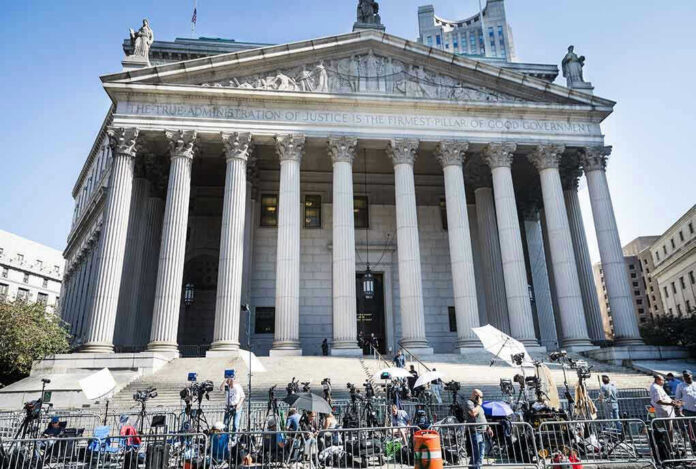
U.S. District Judge Indira Talwani in Massachusetts granted a temporary restraining order that blocks the United States Postal Service from enforcing major parts of its new “Ballot Mail for Federal Elections” rule. The order lasts 14 days while the court considers a longer block. The judge found the challengers showed likely immediate harm if the rule took effect before the election. That pause creates uncertainty for election offices planning mail voting operations nationwide this fall.
Massachusetts Attorney General Andrea Joy Campbell led a coalition of 25 states that challenged the rule. They argued the Postal Service was imposing new design reviews, barcodes, and data steps that states could not meet on short timelines. They said the rule would slow mailing, reject otherwise valid ballots, and upend state-run systems close to an election. Voting rights groups brought a related suit, and the court’s order now covers key provisions while cases move forward.
What the USPS Rule Tried to Change
The rule set new national standards for federal ballot envelopes. It required the official Election Mail logo, a unique Intelligent Mail barcode, a ballot mail service identifier, and envelope designs that work with automated processing. It also tied envelopes to Postal Service design reviews before use. Postal Service leaders said these steps would speed handling, cut manual sorting, and reduce errors in delivery for outbound and return ballots.
The Postal Service also described a ballot portal that would take basic mailing details but not sensitive voter data. The agency said it would not upload birthdates or Social Security numbers and would not inspect ballot contents, judge voter eligibility, or audit voter rolls. The agency framed the portal and barcodes as logistics tools, not voter screening. After the court order, the Postal Service said it would not implement the rule for the 2026 election unless the injunctions are lifted.
How the White House and States Are Framing the Stakes
The White House tied the envelope identifiers to President Trump’s executive action on election integrity. It said unique barcodes create an auditable trail that helps ensure only citizens receive and cast ballots, while avoiding undue burdens on eligible voters. Supporters say automation-compatible envelopes move faster through machines and help track delivery, which could cut delays for voters and election offices. Critics counter that sudden, national standards force states to reprint materials and retrain staff weeks before voting.
State challengers called the rule a federal overreach into how states manage elections. They warned that design reviews and barcode mandates risked delays, misprints, and last-minute mail rejects that states could not fix in time. They stressed that changing rules close to an election often leads courts to hit pause, citing past cycles when late switches caused confusion for voters and officials. The temporary restraining order reflects that timing concern more than a final judgment on the rule’s legality.
The Bigger Picture: Election Rules, Timing, and Voter Trust
Election rules that affect mail voting often trigger fast lawsuits, especially when issued near an election. Courts tend to weigh timing and the risk of voter confusion before reaching full merits. Researchers and agencies have noted that mail voting relies on many small parts—postal speed, envelope design, and state deadlines—so even modest changes can ripple in big ways. In 2020 and later, delivery and design disputes drew some of the quickest court interventions.
Many Americans across the political spectrum worry that powerful institutions make late, top-down changes that regular people must absorb. Supporters of the rule say standardized barcodes and machine-ready envelopes help ballots arrive on time. Opponents say shifting the rules weeks before voting puts valid ballots at risk. The court’s pause keeps the focus on a simple test: protect secure delivery without moving the goalposts when voters and local officials can least afford it.
Sources:
feedpress.me, mass.gov, thealpenanews.com, jurist.org, clearinghouse.net, wisdoj.gov, washingtonexaminer.com, democracydocket.com
© patriotwise.com 2026. All rights reserved.