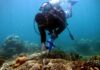
A Maine lifeguard says a shark pulled him underwater at Scarborough Beach State Park, turning a routine patrol into a close call that ended without injury.
Quick Take
- The lifeguard escaped unharmed after freeing himself from a rescue device and swimming back to shore.
- Officials said the encounter fit other recent shark activity off the Maine coast.
- The public record is still mostly made up of news reports, not a full incident file.
- Recent shark sightings in the area gave the event a broader sense of alarm.
What Happened in Scarborough
Scarborough officials said a lifeguard was operating a rescue torpedo in the water on Saturday afternoon when a white shark grabbed the device and pulled him about five to six feet underwater. The lifeguard then freed himself from the strap, swam back to shore, and was not injured. CBS News Boston reported that Greg Wilfert said he first thought he had hit a boat propeller before realizing a shark had pulled him under.
Officials also said a bystander saw the rescue torpedo rise six to eight feet out of the water as the lifeguard swam away. Scarborough Marine Resource Officer Daryen Granata said the reported shark activity and the circumstances of the encounter were reviewed and corroborated by New England Aquarium shark expert John Chisholm. The beach was closed to swimming for about an hour while lifeguards and public safety workers checked the area.
Why the Story Spread So Fast
The incident landed at a time when Maine beaches were already seeing more shark attention than usual. CBS News Boston said more than half a dozen white sharks had been caught on video near popular beaches in the area over a 48-hour period. Another report said there had been more than a dozen recent shark sightings directly off the coast of Maine. That background made the Scarborough encounter feel part of a larger pattern, not a one-off scare.
The rapid spread also reflects how fast beach danger stories move now. Local television, online outlets, and social media all repeated the same basic account within hours. For many readers, that creates a strong sense that the event is settled. The harder question is not whether the lifeguard had a frightening experience. It is how much of the exact chain of events has been documented in public records.
What the Public Record Still Does Not Show
The available reports do not include the full police narrative, dispatch log, or park incident file. They also do not show a forensic exam of the rescue device, strap, or rope. That matters because the public version rests on witness accounts and official summaries, not on a released primary report. The same reports also vary a little on the mechanics, with some saying the shark grabbed the device and others saying it caught the strap or rope.
A lifeguard at a beach in Maine was pulled underwater by a great white shark over the weekend, prompting warnings from local public safety officials. More: https://t.co/OUzlXWHcEG
(📷: AP) pic.twitter.com/7EC3rTYpxG
— WPRI 12 (@wpri12) August 11, 2026
That gap does not erase the event, and it does not make the lifeguard’s account untrue. It does mean the strongest public evidence is still a short chain of testimony and official confirmation. In an age when a dramatic story can harden quickly into accepted fact, that leaves room for later review if police records, video, or equipment checks become public.
Sources:
nypost.com, abc45.com, cbsnews.com, youtube.com, reddit.com, facebook.com, downeast.com
© patriotwise.com 2026. All rights reserved.