
Trump froze a popular housing bill to force a citizenship-voting safeguard, betting big on election integrity over business-as-usual.
Story Snapshot
- Trump canceled a housing bill signing until Congress passes the SAVE America Act [7].
- The SAVE Act passed the House 358-32, showing wide support there [2].
- Senate leaders say they do not have votes to pass the SAVE Act now [7].
- Polls cited by supporters show broad backing for proof of citizenship to vote [5].
Trump’s Leverage Play: Housing Bill on Hold Until Election Safeguards Advance
President Donald Trump canceled the White House event to sign a major housing bill, and he tied any action to passage of the SAVE America Act. He called the measure a national emergency in a social post and said the signing is off until the bill moves. He is pressing for a federal rule that requires proof of citizenship to vote. He argues the step protects the voice of legal voters in every state [7].
The White House and House allies say the strategy is simple. They want election rules that block ineligible voting before any new spending or programs move. Supporters note broad public approval for proof-of-citizenship checks. During House debate, backers cited polls showing support above seventy percent, and in some polls much higher. They say this is common sense, not suppression. They argue clean rolls and clear rules restore trust after years of chaos [5].
Where the Votes Stand: Big House Margin, Senate Roadblock
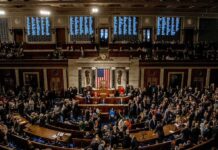
The SAVE America Act cleared the House with a blowout 358-32 vote. That margin shows deep support in both parties for tighter voter eligibility checks, at least in the lower chamber. The Senate is a different story. Democrats are unified against it, and a few Republicans have balked. Senate leaders say they do not have the votes to pass the bill or to change the rules to speed it through this session [2].
Media reports say the housing bill itself won lopsided support in both chambers, with margins large enough to override a veto. That reality puts pressure on the President’s tactic. He has not said he will veto. He has said he will not sign until the Senate acts on election integrity. That stance keeps focus on the SAVE Act while leaving room to sign later if the Senate moves even partway [1].
What’s Inside the Housing Bill—and Why It Still Matters
House Financial Services leaders say the housing bill tries to stop giant firms from outbidding families. That goal tracks with the President’s push to put working Americans first. It aims to help buyers compete with big investors who can pay cash and crowd out locals. Supporters of the bill want the White House to sign now. They say families need the help during a tight market and high interest rates [10].
The President’s team counters that secure elections come first. They argue that if you cannot trust the count, you cannot trust the government that spends your tax dollars. They frame this not as “hostage-taking” but as a needed check on a Senate that drags its feet. They point to past cases where a firm stand moved gridlocked chambers to act on priorities that voters support, including voter integrity steps [5].
Competing Claims: Integrity Versus Access
Opponents say the SAVE Act could block eligible voters who lack specific documents. One advocacy group claims more than twenty-one million Americans do not have a birth certificate or passport at hand. They argue the law would do more harm than good by creating barriers for lawful voters. Supporters respond that states can set simple, low-cost ways to verify citizenship without burdening citizens [2].
The Senate roadblock is the political test. A senior Republican aide blasted the President’s move and warned it could hurt the party. That view mirrors much of the press, which labels the tactic “hostage-taking.” But the House vote shows a different picture. A huge bipartisan bloc backed the SAVE Act’s core idea. The question now is whether Senate leaders will bring forward a targeted package, test amendments, or keep stalling and risk voter anger over lax rules [6].
What Comes Next: Paths to a Deal That Protects Elections and Helps Homebuyers
Senators could take up a narrow version of the SAVE Act that sets a federal citizenship check while giving states flexible compliance. They could also add grace periods, fee waivers, or secure digital verification. That would answer access fears while protecting the ballot. If the Senate moves a credible plan, the White House could sign the housing bill and claim a win on both kitchen-table costs and election trust. The ball is in the Senate’s court [7].
Sources:
[1] YouTube – “No SAVE Act, No Deal” – Trump Holds Housing Bill Hostage Over …
[2] Web – Why Trump is blocking a big housing bill
[5] Web – Trump Holds Housing Bill Hostage
[6] YouTube – Trump scraps housing bill signing to pressure Senate GOP on SAVE Act
[7] YouTube – Trump refuses to sign bipartisan housing bill unless Congress passes …
[10] YouTube – Bipartisan housing bill in limbo until SAVE Act passes; Republicans …
© patriotwise.com 2026. All rights reserved.