The White House says murders are down 18% so far this year, and President Trump is taking that message to New York tomorrow.
Story Snapshot
- The White House claims homicides are “on track” for a historic low, citing a mid-year report.
- Independent analysts also report large national drops in murders in 2025 and early 2026.
- Trump will spotlight the trend with police in Nassau County, New York, on Friday.
- Experts warn the decline is broad and long-running, not linked to one leader or city.
What The White House Is Announcing
On Thursday, the White House said murders fell 18% in the first half of 2026 versus the same period in 2025. The statement said killings are “on track” for the lowest level in at least 126 years. That framing echoes a main theme of President Trump’s second term: promise a return to “law and order” and claim results. The release uses mid-year data, which can shift as more cities report, but it marks a clear downward trend this year.
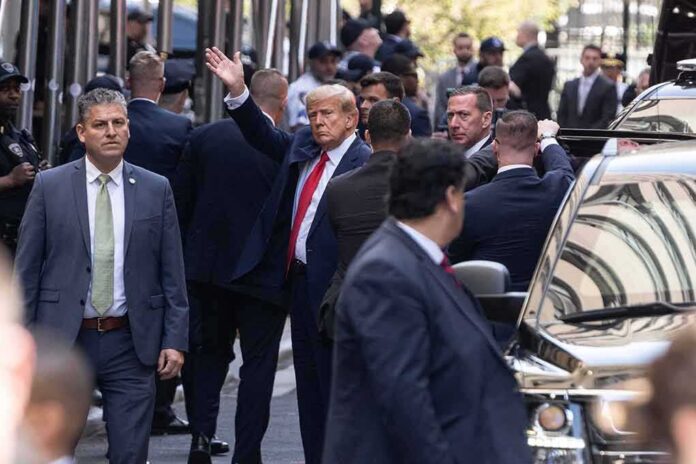
Friday, President Trump plans to stand with police on Long Island to highlight the drop. Fox News Digital reported he will meet law enforcement leaders in Nassau County and point to what his team calls a “historic” violent-crime decline across the nation. The event underscores how the administration wants to tie safer streets to federal actions, even as much crime policy and policing happen at the local and state level.
What Independent Data Shows So Far
Several research groups and newsrooms report sharp declines in murders that match the White House’s broad claim. CBS News said killings fell more than 20% in 2025, the biggest one-year drop on record. Analysts noted the rate may be the lowest since 1900. Early 2026 data continues that slide, though some cities buck the trend with increases, which shows the national picture hides local spikes and dips.
The Atlantic described a countrywide fall in violence stretching three to four years. That path takes murder rates back below pre-pandemic levels in many places. This supports the idea that the drop is real and widespread, not a single-city story. It also hints at many causes at once: shifts in policing, community work, fewer shootings, and changes that followed the pandemic era’s upheaval.
Why The Framing Fight Matters
The core facts are not in dispute: murders fell a lot last year and are dropping again this year. The fight is over credit and cause. The White House says federal leadership drove progress. Critics argue the decline started earlier and is national in scope, which makes it hard to pin on one set of policies. Both things can be true: a White House can amplify a trend while the deeper forces are broader and older than one term.
President Trump is heading to New York tomorrow to rally with local police and highlight what his administration calls a historic nationwide drop in violent crime.
According to a Fox News exclusive, Trump will visit the Nassau County Police Academy on Long Island alongside… pic.twitter.com/dUTHaGmWlp
— Jan (@Jan812314) August 13, 2026
For readers who feel leaders spin good news to help themselves, the messaging tug-of-war looks familiar. Mid-year figures and “on track” language let any administration claim momentum before final counts arrive. At the same time, people living in cities with rising murders will not feel safer because a national average improved. This gap fuels distrust in Washington and the sense that elites sell a story that misses real local pain.
What To Watch Next
First, watch for end-of-year numbers. Final homicide counts will test the “historic low” claim and show how broad the drop was. Second, focus on local patterns. If most cities keep falling while a few spike, policy fixes must be tailored, not one-size-fits-all. Third, demand clear, public data from federal and city agencies. Open numbers build trust and help voters judge whether speeches match results in their own neighborhoods.
Sources:
cnn.com, abcnews.com, brennancenter.org, bbc.com, factcheck.org, whitehouse.gov
© patriotwise.com 2026. All rights reserved.