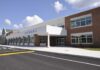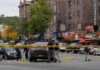
A parent with a handgun entered Silver Rail Elementary and stopped a teen attacker as police rushed to the scene, ending a rampage that had already killed four people, including three children.
Story Snapshot
- Police say a community member confronted and shot the attacker inside the school.
- Four people were killed and two were critically injured before the threat ended.
- Officials reported officers arrived within minutes, near the time the suspect was found dead.
- Experts call this kind of armed-civilian intervention rare in school attacks.
What Police Say Happened Inside Silver Rail Elementary
Bend Police reported that a community member followed the teen suspect into Silver Rail Elementary and engaged him. The suspect was found dead inside soon after. Police said the first 911 call came just before 1 p.m., and officers reached the school at about 1:02 p.m. The sequence indicates the civilian’s action ended the attack before or as officers arrived, based on early briefings and news reports relaying officials’ statements.
News outlets identified the civilian as Kaylub Giamanco, a 36-year-old parent at the school, citing family and officials. Reports describe a chaotic scene, with a teacher first trying to disrupt the shooter before the armed parent intervened. Authorities praised community bravery while noting that a full investigative record, such as ballistics and full timelines, was not yet public. That leaves some details about the exact order of shots still to be confirmed.
The Human Toll and the Minutes That Mattered
Officials and reporters said the attacker killed three children, ages 5, 8, and 11, and a teacher. A 7-year-old child and another teacher were critically hurt. These facts frame the tragedy and the limits of any late-stage rescue. The civilian’s action appears to have stopped further harm, yet it came after deep loss. Police timelines show an unusually fast response, which can complicate judging how much more damage was averted solely by the civilian.
Early coverage varied on who fired the fatal shots, which is common in fast-moving events. Later reports attributed the suspect’s death to the armed parent based on police briefings and family statements. Without public release of body-camera video, dispatch logs, and forensic reports, some questions remain. That does not change the core facts officials have shared: the attacker is dead, the assault ended inside the school, and a community member confronted him during the rampage.
Why This Case Fuels a National Fight Over Safety
Experts say an armed civilian stopping a school attacker is unusual. A researcher who tracks school homicides since 2000 told National Public Radio he had not seen a prior case of a civilian shooting a school attacker to end an event. A Congressional Research Service brief says there is no sound research that arming teachers prevents school shootings, and such endings by armed private citizens are rare in broader active-shooter data.
BREAKING: An Oregon father has been identified as the armed civilian who intervened to stop a mass shooter at a local elementary school. Official reports confirm the 16-year-old suspect utilized a firearm allegedly purchased by his own mother.
• Suspect linked to weapons… pic.twitter.com/skAfcLXQNd
— YoXo (@YoXo_Station) October 18, 2026
Groups warn of risks when more guns enter schools. A literature review found scant support for arming staff and flagged risks like accidents and friendly fire. The American Bar Association argued that multiple guns firing can raise bystander danger and that the chance a teacher uses a gun to end an attack is remote. Supporters counter that this Bend case shows civilian action can save lives, though one example cannot settle policy debates.
What This Means for a Country Losing Patience
Families want simple answers: keep children safe, full stop. This case shows both hope and hard limits. A brave teacher and a parent acted fast. Police arrived within minutes. Still, four lives were lost. Many Americans on the left and right see a system that reacts after the first shots, not before. They want honest timelines, working locks, faster alerts, and clear plans that do not depend on luck or a hero being nearby.
What to Watch Next
Key records could resolve open questions. Police dispatch logs, body-camera video, and forensic findings could confirm the exact sequence and who fired the fatal rounds. Officials could also assess door security, communication speed, and how staff training shaped the teacher’s split-second effort. Those facts matter more than talking points. They can guide steps that reduce the odds that any parent, teacher, or officer faces this again.
Sources:
reason.com, apnews.com, nbcnews.com, bbc.com, afp.com, cnn.com, people.com, abcnews.com, npr.org, crimeresearch.org, everytownresearch.org, alerrtresearch.org
© patriotwise.com 2026. All rights reserved.