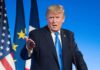

President Trump’s decision to pressure President Volodymyr Zelensky while opening a direct channel with Vladimir Putin has created a real but fragile opening for talks, with no signed peace in sight.
Story Snapshot
- Trump announced immediate talks with Putin and said Ukraine would be included in negotiations.
- Zelensky said he is open to peace if Ukraine’s security is guaranteed and that Kyiv must be at the table.
- A tense Oval Office meeting showed friction and no final ceasefire or agreement.
- European leaders back talks that respect Ukraine’s borders and oppose rewarding aggression.
What Triggered the New Push for Talks
President Trump said after a February 12, 2025 call with Vladimir Putin that teams would begin negotiations “immediately.” He assigned Secretary of State Marco Rubio, Central Intelligence Agency Director John Ratcliffe, and National Security Advisor Michael Waltz to work the process. Trump said the goal was to end what he called a “ridiculous war.” He later stated Ukraine would be part of talks, saying “of course” Kyiv would be included alongside Russia and others.
Trump then met with Ukrainian President Volodymyr Zelensky at the White House. Their exchange showed strain. Trump argued that Zelensky had more leverage when America was deeply involved and suggested that less U.S. backing could move Kyiv toward a deal. Trump also said a ceasefire alone would fail without real guarantees but pressed for steps to stop the killing sooner. The meeting ended without a breakthrough and with Trump saying Zelensky was not ready.
How Kyiv and Europe See the Stakes
Zelensky has said he is ready to negotiate if Ukraine’s security is credible and if Ukraine participates in any talks about its future. He warned against any format that sidelines Kyiv, including a leader-level process shaped by Washington and Moscow. European parliamentary foreign-affairs leaders echoed this view. They said peace must respect Ukraine’s sovereignty and borders, avoid rewarding the aggressor, and include binding security guarantees backed by real capabilities.
These conditions reflect a broader pattern from past peace efforts. Talks that pause fighting can fail if both sides fear cheating or renewed attacks. Third-party security guarantees, verification, and monitoring can lower those risks. That is why Kyiv and many European leaders stress legal commitments and forces on the ground. They argue that pressure should fall on Moscow as well, not only on Ukraine, to make any ceasefire stick beyond the first weeks.
Where Trump’s Strategy Stands Now
The record shows leader calls, public statements, and a plan to start negotiations. It does not yet show a signed ceasefire, a settlement on territory, or an enforcement system. The strategy’s core bet is that pressuring Kyiv will break a stalemate and bring faster talks. The open question is whether Russia faces matching pressure or costs. So far, the public record highlights pressure on Ukraine more than clear concessions or penalties for Moscow.
𝗧𝗥𝗨𝗠𝗣: 𝗭𝗘𝗟𝗘𝗡𝗦𝗞𝗬 𝗗𝗢𝗘𝗦𝗡’𝗧 𝗪𝗔𝗡𝗧 𝗧𝗢 𝗘𝗡𝗗 𝗧𝗛𝗘 𝗖𝗢𝗡𝗙𝗟𝗜𝗖𝗧 𝗜𝗡 𝗨𝗞𝗥𝗔𝗜𝗡𝗘 🇺🇸🇺🇦
“Zelensky isn’t really helping matters. I don’t think he wants to stop it. But I want people to stop dying,” the US president emphasized.
Trump also expressed his… pic.twitter.com/8EmGlBbWLM
— Elisabeth Eliseeva 🇷🇺 SPUTNIK (@Eliseevanews) October 20, 2026
That imbalance fuels criticism from both right and left. Many Americans are tired of endless wars and blank checks, yet they also distrust deals that lack teeth. They see elites talk, while regular people pay. Without visible reciprocal steps from Russia, the effort looks one-sided to skeptics. Supporters counter that only leader-level bargaining can force movement. Both camps agree on one thing: process without proof will not restore trust at home.
What to Watch for Next
Watch for written terms that define who does what by when. Look for a verifiable ceasefire, monitored withdrawal zones, and binding security guarantees for Ukraine. Track whether Washington pairs pressure on Kyiv with clear red lines and costs for Moscow. Check if Europe backs any framework with forces or funding. And monitor whether battlefield attacks decline after any new steps. These are the signals that turn big talk into a real path to peace.
Sources:
transcripts.cnn.com, bbc.com, en.wikisource.org, govinfo.gov, abcnews.com, kyivindependent.com, cnn.com, eng.lsm.lv
© patriotwise.com 2026. All rights reserved.