El Salvador’s president ordered a military operation into Haiti after four Salvadoran aviation technicians were kidnapped by Haitian gangs, signaling a hard-edge export of his anti-gang model beyond his borders.
Story Snapshot
- President Nayib Bukele launched a military mission in Haiti to rescue four Salvadorans.
- The hostages are aviation technicians, not combat troops, assigned to support security efforts.
- The United States voiced support after global condemnation of the gang attack.
- The move extends Bukele’s tough anti-gang strategy onto a regional stage.
What Happened: A Cross-Border Rescue Mission
President Nayib Bukele said he launched a military operation in Haiti to rescue four Salvadoran aviation technicians who were abducted by gangs after an ambush earlier in the week. Bukele made the announcement on Wednesday and warned of a stronger response if the men were not returned alive and unharmed. News reports identified the missing Salvadorans as aviation technicians, which supports El Salvador’s description of a protective rescue mission rather than a combat deployment.
United States officials signaled support for El Salvador after the attack drew international condemnation at the United Nations Security Council, according to reporting on Thursday. The timeline places the abduction before the public announcement, with El Salvador framing the action as urgent and necessary. Outlets in North America and Europe carried the same core facts: four kidnapped Salvadorans, a launched operation, and a warning aimed at Haitian gangs.
Why It Matters: Bukele’s Model Goes Regional
El Salvador’s anti-gang approach has reshaped politics across the region, with leaders looking to its results and methods since 2022. Analyses describe a state of exception at home and mass detentions that sharply reduced gang violence, while drawing human rights concerns. The Haiti mission pushes that model past El Salvador’s borders. It suggests a belief that hard power, speed, and clear lines to the executive can restore order when institutions fail or act too slowly.
For readers in the United States, this story ties to familiar frustrations. People across the political spectrum feel crime grows when leaders argue and pass blame. They see elites protected by security while regular families face danger and higher costs. Bukele’s move tells a different story: act first, restore control, and argue later. Supporters will call it decisive. Critics will worry that speed can run past law and oversight, especially on foreign soil.
Haiti’s Crisis and the Risk of Spillover
Haiti has faced a severe collapse of public security, with gangs attacking key sites, targeting police, and blocking aid. The abduction of foreign personnel raises the risk of wider conflict, since it invites outside forces to intervene to protect their people. Reports do not yet show the scope of El Salvador’s operation or the results, only that it began with a rescue aim and a clear threat to the captors. That leaves the next steps open and the stakes high for everyone on the ground.
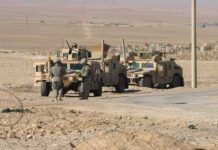
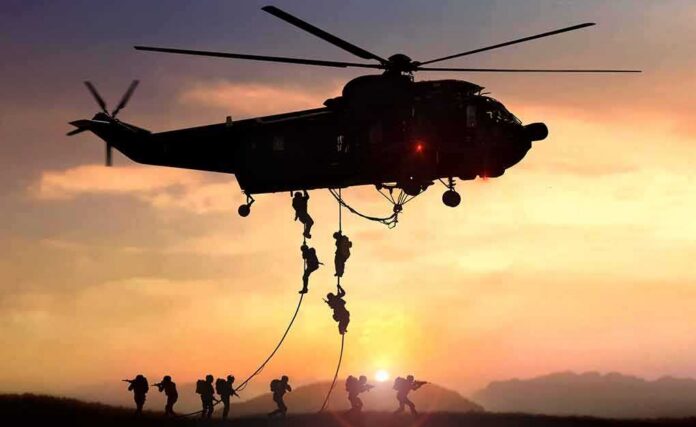
El Salvador's president, Nayib Bukele, deployed 100 special forces soldiers to Haiti on Thursday to participate in the search for these men, targeted by armed gangs on Sunday.
“This is only the beginning,” said a source close to the deployment, while a second source indicated… pic.twitter.com/5WGuAf1Dt4
— Jose Valdez 🇸🇻 (@JoseValdezSV) October 22, 2026
If the rescue succeeds, Bukele strengthens his claim that force can break gang power. If it fails or harms civilians, it could inflame Haiti’s crisis and strain international backing. Either way, this moment tests a hard lesson many Americans voice: when the state loses control, ordinary people pay the price. Governments that move too slowly breed anger. Governments that move too fast risk overreach. Haiti now sits at that knife edge, with Salvadoran lives in the balance.
What to Watch Next
Watch for verified updates on the status of the four technicians and whether El Salvador extracts them without a larger fight. Look for confirmation of which units deployed, what rules they follow, and how they coordinate with any international security effort in Haiti. Track whether the United States or regional bodies expand support beyond statements. These signals will show if this is a one-time rescue or the start of a broader regional campaign against gangs.
Sources:
thegatewaypundit.com, npr.org, upi.com, washingtonpost.com, euronews.com, nytimes.com, apnews.com
© patriotwise.com 2026. All rights reserved.