President Trump said new strikes on Iran are “highly unlikely” if indirect talks keep moving forward, tying U.S. firepower to real diplomatic progress.
Story Snapshot
- Trump linked restraint on future strikes to progress in indirect talks with Iran.
- Iran publicly denies negotiating with the United States, citing only talks with Oman.
- Mediators in the Gulf, including Qatar and Oman, remain key go-betweens in this process.
- Analysts warn diplomacy and limited strikes can run in parallel, keeping risks alive.
What Trump Said And Why It Matters
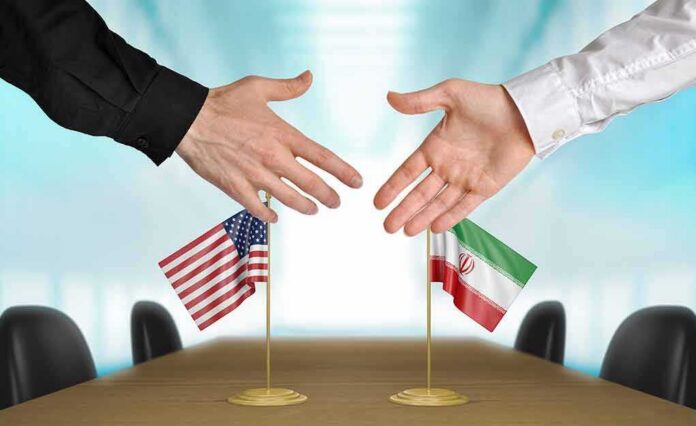
President Trump told reporters that ordering new bombing of Iran is “highly unlikely” if negotiations with Tehran keep making progress. He described recent contacts as indirect, with mediators helping pass messages. That statement marks a public link between diplomacy and choices on force. The message aims to steady markets and allies while pressing Iran to stay engaged. Yet this is a conditional pledge. If talks stall or Tehran escalates, the door to strikes remains open.
Trump’s framing fits a long U.S. pattern with Iran. Washington often mixes pressure with talks to shape choices in Tehran. Gulf states, such as Qatar and Oman, have played this role before. They pass proposals, test red lines, and help each side save face. Today’s effort appears to follow that script. Mediators are said to be reviewing ideas while trying to cool the fight and reopen normal shipping lanes. That setup can lower risks, but it does not end them.
Iran’s Denial And The Messaging Gap
Iran’s Foreign Ministry says it is not negotiating with the United States. Officials say they are only talking with Oman about safe passage through the Strait of Hormuz. They insist these are bilateral talks with no U.S. tie. That line clashes with Trump’s claim that indirect talks are underway. The result is a public messaging gap. Each side speaks to its own base while using mediators in the background.
Such denials are common in this file. Tehran often rejects direct talks in public while exploring options through a third party. That practice keeps hardliners calm at home. It also gives leaders room to say “no deal” if talks fail. A senior Iranian official has also said the two countries remain far from any broad agreement. That warning shows how narrow the runway is and how quickly setbacks could return.
Coercive Diplomacy: Restraint With A Trigger
Experts call this mix of pressure and talks “coercive diplomacy.” The United States signals it prefers a negotiated path but keeps the option to strike. Iran pushes back while seeking relief from sanctions and security gains. This balance can work when both sides see benefits in small steps. It fails when either side believes force pays better. The history of nuclear talks shows progress came when incentives and threats moved in tandem.
Today’s dynamic looks similar. Limited strikes can continue even as talks inch forward. That split can be confusing to the public. People ask why bombs fall if peace is the goal. The answer is not simple. Leaders use limited force to shape the other side’s choices while trying to avoid a wider war. That approach can steady the field for a deal, but it can also spark miscalculation if signals cross.
What This Means For Americans
For families at home, the stakes are real. Fresh strikes risk higher oil prices and new supply shocks. That can raise the cost of gas, food, and shipping. Many Americans on the left and right already feel squeezed by high prices and years of policy whiplash. They hear talk of “smart strategy,” yet they see little relief. Clear goals and honest updates matter now. People want to know what “progress” means and what triggers a return to force.
Trust also rides on who sets the terms. When talks run through back channels, voters fear insiders call the shots. Both parties say they back peace with strength, but many citizens doubt that Washington listens. A narrow, step-by-step plan could help. Define the yardsticks. Explain what Iran must do and what the United States will do in return. Spell out what ends the strikes and what restarts them. That is how you calm markets and shore up public trust.
Sources:
zerohedge.com, whitehouse.gov, apnews.com, click2houston.com, en.royanews.tv
© patriotwise.com 2026. All rights reserved.