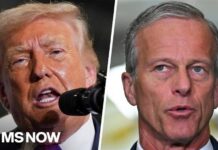

America just scored a major win for sovereignty and working families as President Trump’s team defeated a China-backed UN carbon tax scheme that threatened to undermine our economy and hand global leverage to foreign interests.
Story Snapshot
- The Trump administration blocked a UN proposal for a global shipping carbon tax championed by China.
- U.S. officials argued the tax would hurt American businesses, raise shipping costs, and distort global trade.
- After intense U.S. diplomatic pressure, the International Maritime Organization postponed the tax for at least one year.
- American industry leaders and lawmakers celebrated the delay as a crucial victory for U.S. interests and maritime strength.
Trump Administration Blocks China-Backed UN Shipping Tax
President Trump and his administration intervened at the International Maritime Organization (IMO) in October 2025 to halt a proposed global carbon tax on shipping emissions. The tax, strongly supported by China, was designed to fund climate initiatives but would have disproportionately burdened American shipping companies and raised costs for consumers. U.S. diplomats argued that the measure would give China, the world’s largest shipbuilder, an unfair advantage in global trade and further erode America’s competitive edge in maritime manufacturing.
The Trump administration’s direct involvement and public opposition were pivotal in persuading IMO member states to postpone the vote by at least a year. President Trump called for nations to vote against the proposal, asserting that globalist taxes like these hurt American workers and undermine national sovereignty. Ambassador Mike Waltz and key officials made public statements highlighting the dangers of allowing China to set global shipping policy and the risk of inflationary pressures on U.S. consumers.
Geopolitical Stakes: Protecting U.S. Sovereignty and Industry
The proposed carbon tax was part of a broader UN agenda for climate regulation, but critics noted it was heavily influenced by China’s strategic goals. U.S. officials and lawmakers emphasized that the initiative was not just about emissions—it was about shifting competitive advantages toward Chinese shipbuilders while imposing new costs on American businesses. By stopping the tax, the Trump administration signaled a commitment to protect U.S. economic interests, reinforce constitutional principles of limited government, and resist globalist overreach that could threaten domestic industries and inflate prices for American families.
American port operators and shipping executives, including Daniel Blazer of World Direct Shipping, expressed relief at the decision, warning that the tax would have distorted trade and damaged U.S. competitiveness. Lawmakers celebrated the delay as a “major win” for American workers and consumers, noting that U.S. intervention prevented an immediate spike in shipping costs and preserved the nation’s leverage in ongoing trade negotiations.
Ongoing Battles Ahead: The Future of Global Shipping Policy
While the defeat of the carbon tax marks a significant victory for U.S. interests, the proposal is only postponed—not permanently defeated. U.S. officials acknowledged that renewed debate and lobbying will resume over the next year, as global pressures to address climate change in shipping persist. The IMO, a battleground for competing economic interests, will remain a focal point for U.S.-China tensions and broader disputes over trade policy and regulatory control. Conservative leaders are urging vigilance against future attempts to erode U.S. sovereignty and saddle American families with inflationary taxes pushed by foreign powers and globalist agendas.
Trump stopped UN carbon tax | 'He Looked Like a Deer in the Headlights': Trump Lowers the Boom As US Defeats China-Backed UN Tax Scheme https://t.co/PFy79zrnxX
— Lee Wheat (@NumbuhOne) October 18, 2025
Industry experts caution that regulatory uncertainty remains, with the shipping sector still under scrutiny for emissions and future costs potentially looming. While climate advocates view the postponement as a setback for emissions reduction, American business leaders and constitutionalists see it as a reaffirmation of U.S. strength in defending economic freedom, gun rights, and family values against foreign influence and government overreach.
Sources:
FreightWaves: “Trump says nations should vote no on shipping carbon tax”
USUN: Ambassador Mike Waltz interview with Jesse Watters on Fox News