
A second key witness to a fatal immigration stop in Houston walked free after a federal judge again rejected government efforts to keep him locked up during appeal.
Story Snapshot
- A federal judge ordered the second witness released and denied a government request to pause that order during appeal.
- Prosecutors filed an appeal and sought a stay, arguing the release conflicted with detention rules in immigration cases.
- The government says the driver “weaponized” a van; passengers say no officer stood in front or behind the vehicle.
- The case spotlights due-process fights over immigration detention and long-running disputes about police force around moving cars.
What The Judge Did And Why It Matters
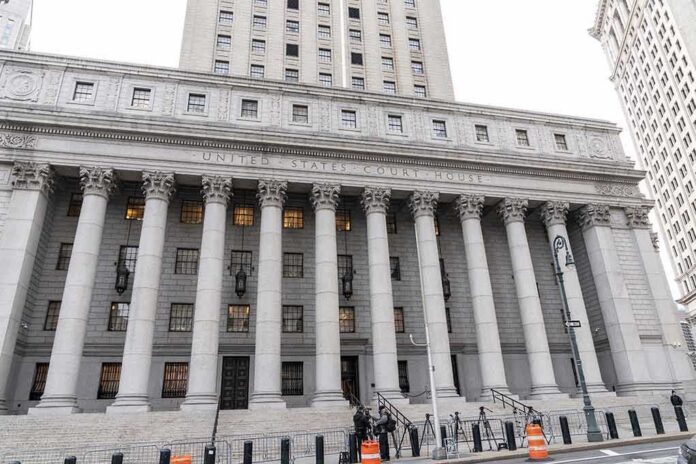
U.S. District Judge Keith P. Ellison ordered the second passenger witness in the July 7 Houston shooting released from federal custody. The judge then denied a government request to suspend that release while an appeal plays out, keeping the witness free as the case moves forward. The orders signal the court’s concern with how the detention was handled, including the lack of a clear, individualized review of custody. This step raises pressure on agencies to justify why continued lockup was necessary now, not later.
Federal prosecutors quickly appealed and asked for a stay of the release order. They argued the ruling clashed with immigration detention rules and sought review in the United States Court of Appeals for the Fifth Circuit. This move shows the government believes it has a live legal path to keep witnesses in custody during ongoing proceedings. But the judge’s refusal to pause release undercuts urgency for continued detention and places the burden back on the appeal to succeed.
Clashing Accounts Of The Fatal Stop
Immigration officers say the driver, Lorenzo Salgado Araujo, “weaponized the van,” which they frame as a threat that can justify deadly force when lives appear at risk. Passengers give a different story. They say agents were on the sides of the van, not in front or behind, and that the fatal shot came from the side after the vehicle stopped. One witness told reporters it was “impossible” to claim agents were about to be run over, directly disputing the core of the self-defense claim.
Multiple outlets report that passengers repeated these points in court statements and interviews. They said officers never stood in the path of the van and that the driver was not attacking when he was shot. These details matter because police use of deadly force with moving cars often turns on where people stood and what danger they faced in that instant. Legal tests weigh reasonableness from the view of an officer on the scene, but the facts about position and timing remain in sharp conflict.
Due Process, Detention Rules, And The Public Interest
Reports describe the witness’s detention fight as focused on due process rather than on a record that he posed a danger. Coverage notes he lacked an individualized bond decision, and that his lawyers raised Fifth Amendment concerns. The judge’s release orders, along with a separate bar on deporting witnesses, point to a court leaning toward fairness in process while facts are sorted out. That approach echoes wider debates over how long the government can hold people “pending review.”
The Harris County District Attorney’s office certified two witnesses as victims of an alleged violent crime, which can open paths to protections and signals local interest in full testimony. That move aligns with the judge’s push to keep witnesses available and not chilled by the threat of sudden removal. Together, these steps show a justice system trying to balance immigration enforcement with the need for credible witnesses in a deadly-force probe that has gripped Houston.
Why Both Sides Of The Aisle Are Watching
Conservatives often stress the dangers officers face and the need to act fast when a vehicle becomes a weapon. Liberals often stress the risk of overreach and the need for strict limits on force. This case touches both fears at once. The government cites a threat from a van. Witnesses say there was no direct line of danger. Many Americans across the spectrum agree on one thing: they want the facts released and the process to be fair, fast, and transparent.
What Comes Next And What To Watch
The government’s appeal will test how far detention can go while courts review a case like this. The outcome will shape whether immigration officers can hold key witnesses without a bond hearing during ongoing fights over removal. On the shooting itself, answers hinge on basic facts: exact positions, timing, and line of fire. Clear evidence, including reports and any video, would help resolve the clash of accounts and rebuild trust that many say has been lost.
Sources:
washingtontimes.com, kcra.com, click2houston.com, houstonpublicmedia.org, cnn.com, abcnews.com, youtube.com, abc13.com
© patriotwise.com 2026. All rights reserved.