
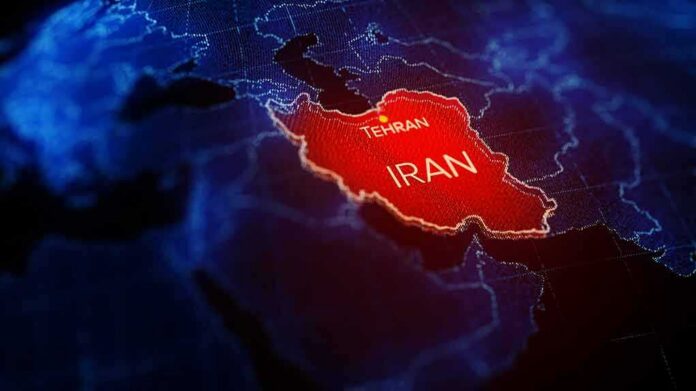
President Trump said the United States hit Iran “very hard” and signaled the campaign could wrap up soon after months of on-and-off strikes that began with attacks on three major nuclear sites in 2025.
Story Snapshot
- Trump said recent U.S. strikes were powerful and the war should not last much longer.
- The 2025 operation targeted Fordow, Natanz, and Esfahan with “massive precision strikes”.
- A formal notice to Congress confirmed the three-site strike in Iran in June 2025.
- Analysts and early assessments differ on how fully Iran’s nuclear program was degraded.
What President Trump Said This Week
On September 2, 2026, President Trump told reporters the renewed campaign against Iran would not go on “too long,” adding that the United States had hit Iran “very hard” in recent strikes. Earlier statements from the Oval Office echoed that message, with Trump saying he thought the war would end “pretty soon”. These remarks follow months of periodic escalations and pause periods, as the administration has aimed to pressure Tehran while avoiding a drawn-out regional war.
Trump has tied the timetable to Iran’s choices. He has warned that more action would follow if Iran does not seek peace. He also argues that strong military pressure shortens conflicts by forcing decisions. Markets and allies watch these signals closely. Oil and shipping routes in the Persian Gulf react to even small shifts in risk. Americans at home keep an eye on gas prices and troop deployments, hoping leaders end the fight fast and responsibly.
How The Conflict Reignited In 2025
On June 21, 2025, Trump announced “massive precision strikes” on three key Iranian nuclear facilities: Fordow, Natanz, and Esfahan. He said the operation’s goal was to destroy Iran’s enrichment capacity and force a path to peace. A formal letter to congressional leaders the next day confirmed that United States forces struck those three sites to advance core national security interests. The strikes marked a sharp turn after years of tense standoffs and proxy clashes in the region.
The administration described the operation as a “spectacular military success,” saying the facilities were “completely and totally obliterated”. That framing aimed to deter further Iranian aggression and to reassure partners that the United States could neutralize nuclear threats quickly. The White House also warned Iran against attacking United States interests or personnel, underscoring the risk of wider conflict if Tehran chose retaliation. Those messages shaped the early narrative around the strikes.
What We Know About The Damage And Timelines
Independent analysis soon offered a more mixed view of the strikes’ effects. Commercial satellite experts reported visible damage but said Iran’s nuclear enterprise was not destroyed. An early United States intelligence snapshot, as described to reporters, suggested the core components may have survived and that the setback could last months rather than years. These findings do not erase battlefield gains, but they show limits and the likelihood of Iranian repair efforts.
This gap between swift official claims and later assessments is common after major strikes. Early statements lean confident while bomb damage assessments mature. In Iran’s case, even partial hits can slow enrichment, disrupt supply chains, and unsettle leadership. Yet Iran has shown it can disperse assets and rebuild. That tug-of-war drives the timeline Trump now references. If strikes keep pressure high and Iran holds back, the window to end combat sooner may open. If not, the risk clock keeps ticking.
Why This Matters To Americans Across The Spectrum
Americans on the right and left share a core worry: Washington too often promises quick wins abroad while problems at home pile up. Trump’s pledge to finish the fight “pretty soon” speaks to that fatigue, but people want proof in results, not slogans. Voters who fear endless wars want a clear end state and honest costs. Families who fear rising prices watch oil markets. Service members and veterans want defined goals and real support when missions expand or shift.
From my notes during this briefing, VP Vance called on about 19 different reporters and took about 28 questions.
1. Talking as VP or Press Sec: VP. / Midterms and high price/ Losing weight
2. Gas prices/ Asked about strike that hit a wedding in Iran.
3. Departure of so many…
— Kellie Meyer (@KellieMeyerNews) September 3, 2026
The stakes extend beyond politics. Shipping lanes, energy prices, and alliances all move with this conflict. A short, focused campaign could reduce risks and costs. A longer grind could feed doubts that elites play power games while working families pay. The path forward will hinge on Iran’s response, the durability of strike effects, and whether clear diplomacy follows force. For now, the president says the heavy blows have landed and the end may be in sight.
Sources:
military.com, whitehouse.gov, govinfo.gov
© patriotwise.com 2026. All rights reserved.