
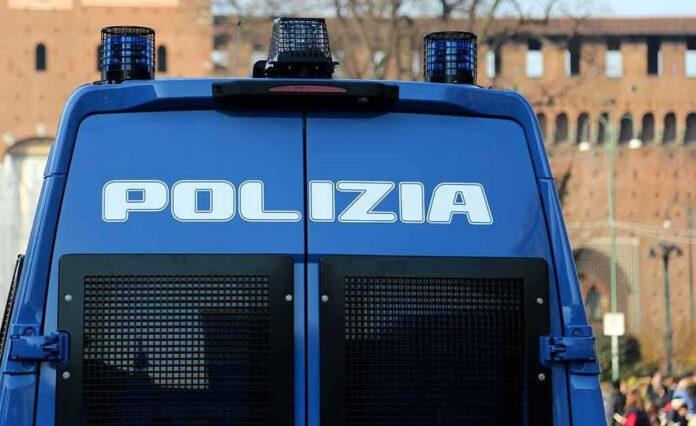
Police in Turin used water cannons and tear gas to push student protesters away from the Prefecture, turning a large march into a forceful street dispersal in the city’s historic center.
Story Snapshot
- Police activated water cannons in Piazza Castello to drive protesters from the Prefecture area.
- News outlets reported tear gas and limited police charges after objects were thrown at officers.
- About 1,000 students marched through central Turin before the clash near the Prefecture.
- Reports noted arrests and identifications, but a full injury count was not available.
What Happened in Piazza Castello
Turin police deployed water cannons Friday in Piazza Castello, in front of the Prefecture, during a student march. Reporters on the scene said the cannon streams pushed protesters away from the government building and toward nearby streets. Outlets also described tear gas use at the same location as officers sought to hold their line around the Prefecture. The confrontation marked the peak of a larger day of student action that moved through the city center before reaching the square.
Accounts from several newsrooms align on key facts. Journalists reported that a group at the front threw stones, bottles, sticks, or fireworks at officers guarding the Prefecture. Police responded with the water cannon and then used tear gas. Some reports also described brief police charges that followed clashes near the line. The water cannon use occurred more than once, and a second vehicle reportedly arrived, though exact timing and duration were not detailed in coverage.
Size of the Protest and March Route
RaiNews reported that about 1,000 students took part in the Turin march. The procession moved through central streets before gathering at Piazza Castello. Reports said several hundred protesters broke off and approached the police line protecting the Prefecture. Some individuals had covered faces. The water cannon activation came as that group pressed forward near the building. The setting increased the stakes because the Prefecture is a high-profile government site in the city center.
Outlets described a tense sequence once the crowd reached the square. The cannon pushed demonstrators away from the building and toward Via Po. Tear gas added pressure and helped thin the crowd. Some protesters regrouped and advanced again, and police made limited charges to stabilize the area. Video clips shared by Italian media showed streams of water striking the front lines and students retreating while covering their faces from gas. The footage captured the clash but did not supply a full timeline.
Arrests, Injuries, and Open Questions
Media coverage cited arrests of minors and dozens of identifications by police after the march. Reports differed on numbers for masked participants and did not present court records, so the exact legal status of each case was not clear. Outlets did not provide a verified injury total for protesters or police. That gap limits a full accounting of medical outcomes linked to water jets, tear gas exposure, thrown objects, or falls during the crowd movement.
🇮🇹 POLICE DEPLOY TEAR GAS AND WATER CANNONS TO DISPERSE STUDENT PROTESTERS IN TURIN, ITALY pic.twitter.com/uFekiKgNjj
— Aerion Reporters (@Aerionreporter) October 16, 2026
The lack of a detailed, on-record police explanation also left some details open. Newsrooms named the tools used and where they were used, but they did not quote a commander on the warnings given, the criteria for water cannon activation, or the command chain. European human rights guidance holds that force at protests must be necessary, proportionate, and as targeted as possible, with nonviolent steps tried when feasible. That standard frames how future reviews may judge the Turin operation.
Why This Matters Beyond Turin
The Turin clash fits a pattern seen in Italy and across Europe. Police often deploy water cannons and chemical agents to stop crowds from crossing lines near government buildings. During Rome’s 2021 “Green Pass” protests, police used water cannons and tear gas to push back hundreds near official offices, including far-right participants. That history shows the tactic is not tied to one ideology. Instead, it is a recurring tool when officials guard symbolic or sensitive sites.
For readers in the United States, the lesson is larger than one square in one city. Crowds gather to speak, leaders deploy force to control space, and the story that wins the day is often the one with the strongest images. When the state uses high-pressure water and gas on students, people across the spectrum see a system that acts first and explains later. Clear rules, clear warnings, and public records help rebuild trust after the trucks roll in.
Sources:
youtube.com, torino.corriere.it, lastampa.it, video.corriere.it, torino.repubblica.it, ilfattoquotidiano.it, rainews.it, echr.coe.int, ks.echr.coe.int, reuters.com
© patriotwise.com 2026. All rights reserved.