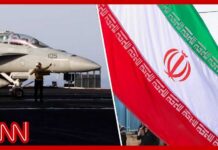


Iran’s Supreme Leader, Ayatollah Ali Khamenei, directly challenges U.S. diplomatic efforts by refusing peace talks with President Trump, sparking concerns about escalating nuclear tensions.
Story Snapshot
- Khamenei dismisses Trump’s peace overtures, reinforcing Iran’s nuclear ambitions.
- Iran continues breaching nuclear limits post-JCPOA withdrawal, escalating tensions.
- U.S. sanctions pressure Iran but fail to halt nuclear development.
- European diplomatic efforts to salvage JCPOA remain stalled.
Khamenei’s Rejection of Peace Talks
In a firm rebuff of diplomatic engagement, Ayatollah Ali Khamenei has rejected the possibility of peace talks with the United States under President Trump. This announcement signifies a clear defiance of U.S. efforts to curb Iran’s nuclear ambitions through dialogue. Khamenei’s decision underscores a hardened stance from Tehran, emphasizing its resolve to continue nuclear development despite international pressure.
Iran’s rejection of peace talks comes in the wake of the U.S. withdrawal from the 2015 Joint Comprehensive Plan of Action (JCPOA) and the reinstatement of sanctions. This development has seen Iran progressively breaching the agreement’s limits, increasing uranium enrichment, and reducing cooperation with the International Atomic Energy Agency (IAEA), thus raising global concerns about nuclear proliferation risks.
Impact of Sanctions and Diplomatic Efforts
The U.S. administration’s “maximum pressure” strategy aims to curb Iran’s nuclear capabilities by leveraging economic sanctions. However, this approach has met with limited success in deterring Iran’s nuclear activities. The sanctions have largely resulted in economic hardship for the Iranian population but have failed to influence Khamenei’s firm grip on nuclear policy, which is perceived as a sovereign right and a strategic necessity.
European countries, while advocating for diplomatic solutions, have struggled to mediate effectively post-U.S. JCPOA withdrawal. The stalemate has left diplomatic channels largely ineffective, with Iran steadfast in its pursuit of nuclear advancement as a matter of national security and technological progress, further straining international relations and regional stability.
Regional and Global Implications
The ongoing nuclear tensions between the U.S. and Iran pose significant risks to regional security, particularly in the Middle East. The potential for military escalation remains high, with neighboring countries like Israel and Gulf states expressing concerns over Iran’s nuclear trajectory. The erosion of the JCPOA framework marks a setback for international non-proliferation efforts and highlights the challenges of multilateral diplomacy in managing nuclear threats.
Iran’s continued defiance and expansion of its nuclear program present a complex challenge for the global community. The risk of a nuclear-armed Iran could destabilize the regional security environment further, impacting global energy markets and heightening geopolitical tensions. As diplomatic efforts remain in limbo, the international community faces the daunting task of addressing these escalating threats while ensuring regional peace and stability.
Sources:
Wikipedia: Nuclear program of Iran
Iran Watch: History of Iran’s Nuclear Program
USIP: Timeline of Iran’s Nuclear Activities
Columbia University: History of Iranian Nuclear Development