
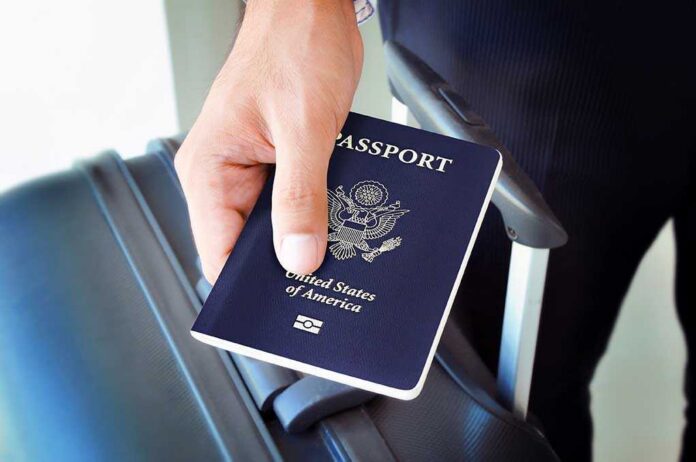
U.S. officials are urging Americans headed to parts of North Africa to plan “proof of life” steps and even leave DNA samples before travel, underscoring rising risks from kidnapping and terrorism.
Story Snapshot
- State Department guidance for several African countries warns of terrorism, kidnapping, and landmines.
- One advisory tells travelers to prepare wills, set “proof of life” questions, and leave DNA with a doctor.
- Algeria’s advisory urges increased caution nationwide and bans travel to border and Sahara areas.
- Regional alerts reflect cross-border militant networks and remote-area dangers, not uniform nationwide risk.
What The U.S. Government Is Warning Travelers To Do
State Department pages for the highest-risk destinations now include stark personal steps. The guidance tells Americans to make a will, share account access plans, set a “proof of life” protocol, and leave DNA samples with a medical provider for identification if the worst happens. Officials pair those steps with reminders that kidnapping of foreigners for ransom remains a tactic in several parts of Africa. These measures aim to help families and speed recovery if a traveler is taken.
Advisories for the toughest environments also flag limits on local police and health systems. The alerts say that criminal groups and terrorist cells target roads, rural areas, and border zones where the state is weak. They warn about landmines and unexploded ordnance in some countries, which raise risk for overland travel. Officials advise staying on major routes, avoiding remote crossings, and keeping plans private. These steps do not remove risk, but they improve odds if trouble starts.
Algeria: Caution Nationwide, Red Zones Near Borders And The Sahara
The United States labels Algeria a place to “exercise increased caution” due to terrorism and kidnapping. The government tells Americans not to travel near the eastern and southern borders and not to travel overland in the Sahara Desert because of terrorist and criminal activity, including kidnapping. The advisory also urges avoiding rural areas within set distances of high-risk zones. These warnings aim to keep travelers away from routes used by militant groups and smugglers.
Security reports also highlight a “Kidnapping” indicator attached to Algeria’s advisory. That signal marks a credible threat pattern, not a one-off case. It reflects the presence of networks that operate across borders and through sparsely governed terrain. Travelers who must go for work are urged to use vetted security plans, vary routes, and keep a low profile. Casual tourism in flagged areas is strongly discouraged for safety reasons.
How The Sahel’s Risks Spill Across Borders
Neighboring countries in the Sahel carry even tougher warnings. The United States says do not travel to Mali due to crime, terrorism, unrest, health risks, and kidnapping. Chad and Sudan carry similar alerts, citing crime, terrorism, civil unrest, weak health care, kidnapping, and landmines. This cluster of warnings shows how armed groups and criminal gangs work across porous borders and target remote roads, mining sites, and aid corridors.
Officials and analysts say this is a regional pattern, not a single-country story. Security reports note that kidnapping and terror risks often concentrate in border belts and far-off provinces rather than in major cities or core tourist zones. That nuance matters for planning. A capital may feel calm while a road two hours away is unsafe. The safest choice is to avoid red zones and follow route, curfew, and communications rules if travel is essential.
Why This Matters To American Families
These advisories land in a time when many Americans doubt the government’s ability to protect them abroad. People on the right and left see the same problem: criminals and terrorists exploit weak states while officials at home often seem slow and bureaucratic. The new guidance is blunt because the threats are real. Families should treat the advice as a checklist, not a formality, and decide if the trip is worth the risk based on current conditions.
Practical Steps Before You Decide
Travelers should read the full advisory for their destination, map the no-travel zones, and confirm how they will move, where they will stay, and how they will communicate if networks fail. Companies should review insurance that covers evacuation and kidnapping. Individuals should register with the embassy program and share itineraries with trusted contacts. If any plan depends on risky roads or remote sites, consider delaying or canceling the trip until the risk picture improves.
Sources:
travel.state.gov, vanguardngr.com, noticias.foxnews.com
© patriotwise.com 2026. All rights reserved.